
We do not request reimbursement of costs
(such as repayment for obtaining medical records)
from veterans nor from people who suffer from multiple sclerosis.
- Call today for a free evaluation
- 1-888-774-7243
Complex Regional Pain Syndrome (CRPS)
Yes, complex regional pain syndrome can qualify you for disability benefits. CRPS has no listing of its own in Social Security’s impairment guide, but the agency has a ruling, SSR 03-2p, that explains how to evaluate it. If your pain, swelling, and loss of function keep you from working, and have lasted or are expected to last at least 12 months, and your medical records back that up, approval is possible. In most CRPS claims, the evidence makes the difference.
CRPS is also one of the conditions claims examiners misunderstand most. The pain is often far worse than the original injury would suggest, and the visible signs can come and go from one appointment to the next. That is why careful documentation matters so much. This guide explains what CRPS is, how Social Security evaluates it, and how to build a strong claim for Social Security disability benefits.
Quick Summary: CRPS and Disability at a Glance
- What it is: A chronic pain condition that usually affects one arm, leg, hand, or foot after an injury, surgery, or other trauma.
- Older name: Reflex sympathetic dystrophy (RSD). Social Security treats the two names as the same condition.
- Does Social Security recognize it? Yes. SSR 03-2p says CRPS can be the basis of a disability finding.
- Listed impairment? No, so most claims turn on how much work you can still do.
- Duration rule: Your condition must last, or be expected to last, at least 12 months.
- Strongest evidence: Treating doctor notes that document objective signs, treatment, and work limits over time.
What Is Complex Regional Pain Syndrome?
CRPS develops when the nervous system keeps sending exaggerated pain signals long after an injury should have healed. It often follows a fracture, sprain, surgery, or burn. Sometimes the triggering injury is so minor that the person barely remembers it. Older records may call the condition reflex sympathetic dystrophy, or RSD, and you may see either name in your chart.
Type I and Type II CRPS
Doctors describe two forms. Type I develops without a confirmed nerve injury and is the more common form. Type II follows a confirmed injury to a specific nerve. Both can be severe, and Social Security evaluates them the same way: by the symptoms you have and the limits they create.
Common CRPS Symptoms
Symptoms vary from person to person, but CRPS often includes:
- Burning, throbbing, or stabbing pain that is out of proportion to the original injury
- Pain triggered by light touch, clothing, or a breeze (allodynia)
- Swelling and joint stiffness in the affected limb
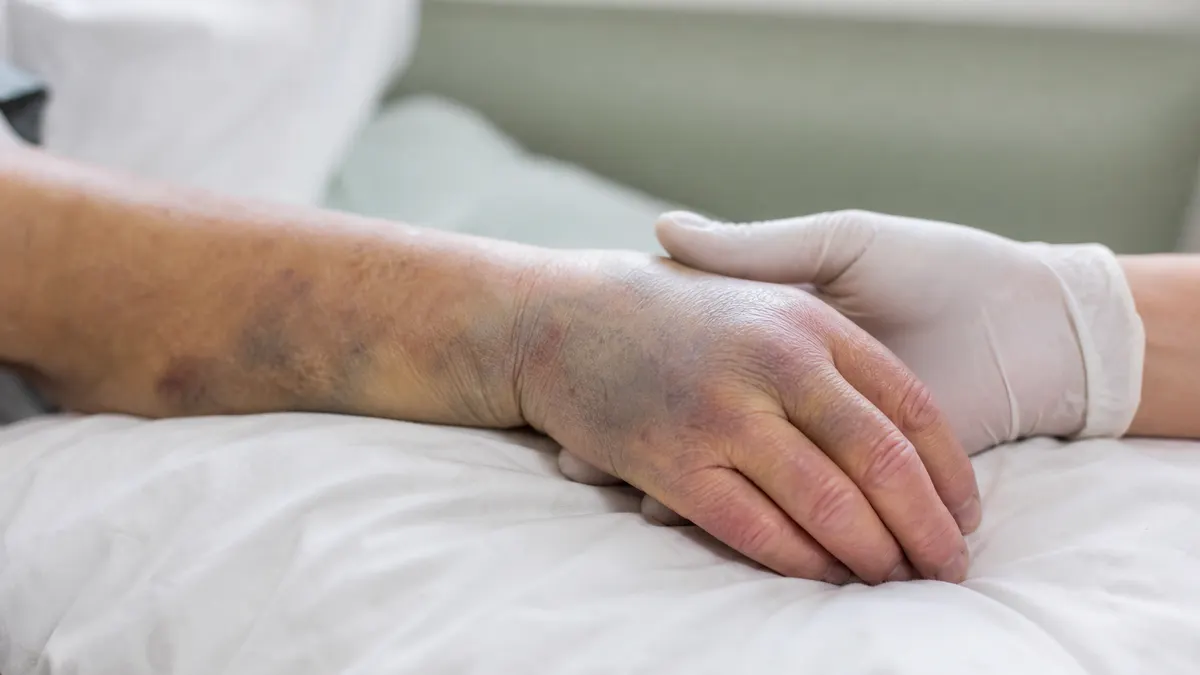
- Skin that turns red, blue, pale, or blotchy, or feels warmer or colder than the other limb
- Unusual sweating in the affected area
- Changes in hair and nail growth, or thin, shiny skin
- Weakness, tremors, muscle spasms, or reduced range of motion
- Pain that spreads to other parts of the body over time
Many people also struggle with poor sleep, fatigue, trouble concentrating, and low mood. These problems are part of the real picture and belong in your medical records.
How Doctors Diagnose CRPS
No single test confirms CRPS. Doctors diagnose it by examining you and applying a set of standards known as the Budapest criteria. In simple terms, the criteria require:
- Continuing pain that is disproportionate to the original injury
- Symptoms reported in at least three of four categories: sensory, skin and temperature changes, swelling and sweating, and movement or tissue changes
- Visible signs of CRPS in at least two of those categories during an exam
- No other diagnosis that explains the symptoms better
X-rays, bone scans, and nerve tests can support the diagnosis or rule out other causes. There is a catch, though. CRPS signs often fluctuate. A doctor who sees you on a good day may not see swelling or color changes, and the chart may read as normal. Dated photos of flare-ups and thorough medical documentation can fill that gap.
Can You Get Disability for CRPS?
Yes, you can. To qualify, you must have a medically determinable impairment, be unable to perform substantial gainful activity, and meet the 12-month duration rule. SSR 03-2p adds that CRPS cannot be proven by your statements alone. It must be backed by persistent pain along with at least one objective sign recorded at any point after the injury, such as swelling, skin color or temperature changes, abnormal sweating, abnormal hair or nail growth, bone loss (osteoporosis), or involuntary movements. SSR 03-2p also recognizes that these signs often come and go, so a normal exam on one day does not defeat a claim.
Which program you apply for depends on your work and financial situation. Social Security Disability Insurance (SSDI) is based on work credits you earned through payroll taxes. If you do not have enough work credits for SSDI, you may still qualify for Supplemental Security Income if your income and resources are limited. Some people qualify for both.
How Social Security Evaluates CRPS Without a Listing
Because CRPS is not in the Blue Book, Social Security looks at your residual functional capacity, or RFC. That is a formal assessment of what you can still do despite your condition. It asks about sitting, standing, walking, lifting, reaching, gripping, and concentrating. CRPS in a dominant hand can rule out typing or assembly work. CRPS in a foot or leg can limit standing and walking. The agency then weighs your RFC against your age, education, and past jobs, a process explained in how Social Security determines disability.
The table below shows what claims examiners and judges tend to look for.
| Evidence | Why It Matters |
|---|---|
| Documented physical signs | Swelling, skin color or temperature changes, and sweating changes show the condition is more than reported pain. |
| A clear CRPS diagnosis | A specialist applying the Budapest criteria and ruling out other causes carries real weight. |
| Treatment history | Medications, therapy, or nerve blocks show you follow medical advice and how your body responded. |
| Medication side effects | Drowsiness or mental fog can limit your ability to hold a job. |
| Doctor statements on limits | Specific restrictions on lifting, standing, or hand use turn a diagnosis into work-related limits. |
| Consistent records over time | Regular visits show the condition is persistent and may be progressing. |
How to Build a Strong CRPS Disability Claim
A CRPS claim is rarely won by one document. It is built step by step. Here is a practical approach:
- See the right specialist. A pain management doctor, neurologist, or physiatrist is better placed to apply the Budapest criteria than a general provider.
- Treat consistently. Gaps in care can suggest your symptoms are mild. Regular visits support your claim, as shown in why ongoing medical treatment matters.
- Make every visit count. Tell your doctor about flare-ups, and ask that swelling, color, temperature, and range of motion be recorded.
- Request a functional statement. Ask your treating doctor to describe in plain terms how long you can sit, stand, walk, lift, and use your hands.
- Keep a symptom journal. Note pain levels, flare triggers, sleep problems, and tasks you could not finish.
- Watch your public activity. Social media posts and everyday routines can be misread, so understand how daily activities can affect an SSDI claim before you apply.
- File without delay. The earlier you start, the sooner benefits can begin. Review the application process before you submit.
Common Reasons CRPS Claims Get Denied
Many CRPS applicants are denied the first time. The usual reasons are:
- Exam notes that show no swelling or skin changes on the day of the visit
- Gaps in treatment or missed appointments
- Doctor notes that describe pain but say little about what you can and cannot do
- A diagnosis that was never confirmed with recognized criteria
- Daily activities that appear to conflict with your reported limits
Most of these problems can be fixed with better evidence, such as updated records or a clearer diagnosis. The attorneys at Chermol & Fishman can review your file, find the gaps, and help you fix them. A denial is not the end of your claim.
What to Do If Your Claim Is Denied
Social Security has a multi-level appeals process: reconsideration, a hearing before an administrative law judge, a review by the Appeals Council, and, if needed, federal court. Strict deadlines apply, so act quickly after a denial letter arrives.
The hearing is often where CRPS cases are won. At an ALJ hearing, you can explain in your own words how pain, swelling, and fatigue affect your day, and the judge may ask a vocational expert whether any jobs exist for someone with your limits. Updated medical records and a detailed doctor opinion can change the outcome.
Claimants in Bucks County and Montgomery County, as well as Southampton, Feasterville, and Richboro, can get hearing help close to home.
CRPS and Other Conditions That Often Overlap
CRPS rarely appears alone. Social Security considers all of your impairments together, so related conditions can strengthen your claim:
- Widespread chronic pain that continues after treatment
- Fibromyalgia, which adds tenderness, fatigue, and sleep problems
- Nervous system disorders involving nerve damage or abnormal nerve signaling
- Depression and anxiety linked to long-term pain
Be sure your doctors document every condition, including mental health symptoms, because together they show how much your ability to work has been reduced.
Disability Benefits for CRPS
So, can you get disability for CRPS? Yes. Complex regional pain syndrome can qualify for Social Security disability benefits when objective medical evidence shows that pain and related symptoms prevent you from working and have lasted, or are expected to last, at least 12 months. Because CRPS has no listing and its signs fluctuate, a well-documented claim makes the difference. The team at Chermol & Fishman helps people with CRPS and other painful conditions apply and appeal, and a free evaluation is available at 1-888-774-7243. You do not have to navigate this process alone. This page offers general information, not legal advice.
Frequently Asked Questions About CRPS and Disability
Is CRPS considered a disability by Social Security?
Yes, CRPS can be considered a disability when it keeps you from working and has lasted, or is expected to last, at least 12 months. Social Security evaluates it under SSR 03-2p, which requires persistent pain supported by objective signs such as swelling, skin changes, or bone changes. Medical records showing how the condition limits your daily and work activities are essential.
What is the difference between CRPS and RSD?
There is no practical difference for a disability claim. Reflex sympathetic dystrophy (RSD) is the older name, generally used for what doctors now call CRPS Type I. Social Security treats the terms as the same condition, so a diagnosis under either name can support a claim.
Does CRPS automatically qualify for SSDI?
No. CRPS is not a listed impairment, so approval is not automatic. Social Security reviews your medical evidence and assesses what work you can still do. A claim succeeds when the records show your limits are severe enough to prevent full-time work.
How is CRPS diagnosed?
Doctors diagnose CRPS through a physical exam using the Budapest criteria, which look for disproportionate pain plus specific symptoms and signs in several categories. Imaging and other tests help rule out other conditions, but no single test confirms CRPS.
How much disability can I receive with CRPS?
Your SSDI amount depends on your lifetime earnings record, not on how severe your CRPS is. SSI payments follow federal rates and your income and resources. Your Social Security statement and the agency’s online tools can estimate your SSDI amount.
Can I work part-time and still get disability for CRPS?
Possibly, but earnings above Social Security’s monthly substantial gainful activity limit, which is updated each year, can lead to a denial. Part-time work may also be used as evidence that you can do more than you claim. Talk with an attorney before you apply if you are still working.
What if my CRPS symptoms come and go?
Fluctuating symptoms can still support a claim. Social Security looks at whether you can work on a regular, ongoing basis, so frequent flare-ups, missed days, and the need for rest breaks all matter. Record good days and bad days in a symptom journal and make sure your doctor notes them.
Can I get benefits if CRPS developed after a work injury or accident?
Yes. SSDI does not depend on what caused your condition. However, workers’ compensation payments can reduce your SSDI benefit under offset rules, so tell Social Security about any such claim and review how the two interact.