
We do not request reimbursement of costs
(such as repayment for obtaining medical records)
from veterans nor from people who suffer from multiple sclerosis.
- Call today for a free evaluation
- 1-888-774-7243
Social Security Disability Lawyer in Levittown, PA
Levittown residents who can no longer work because of a serious medical condition may qualify for Social Security Disability Insurance (SSDI) or Supplemental Security Income (SSI) benefits. In short: eligibility depends on your work history, the severity of your condition, and whether that condition prevents you from performing substantial work for at least twelve months. A Social Security Disability lawyer serving Levittown can review your medical records, build a strong claim, and represent you at every stage of the process, from the initial application through a hearing before an Administrative Law Judge if necessary. Understanding how the disability system evaluates claims, and what evidence the SSA actually relies on, is the first step toward getting the benefits you have earned.
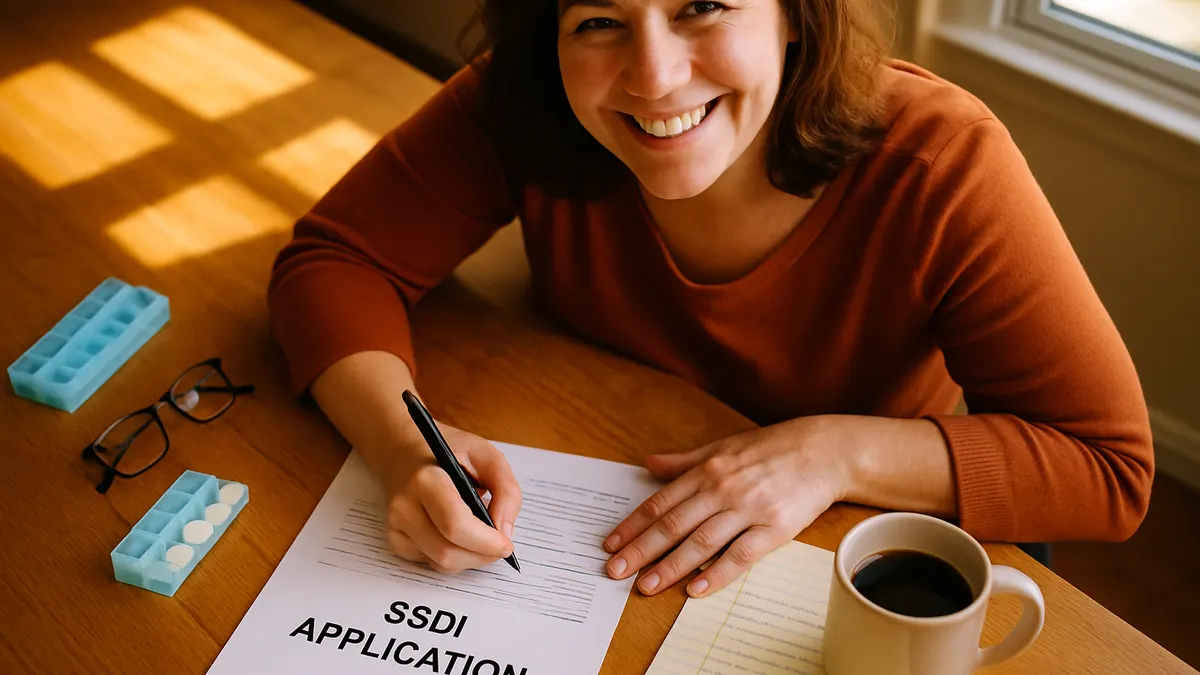
What Does a Social Security Disability Lawyer in Levittown Do?
A disability attorney does far more than fill out paperwork. From the first conversation, your lawyer begins gathering the medical records, treatment notes, and functional evidence the Social Security Administration needs to evaluate your claim. They identify which medical listing your condition may meet, coordinate with your treating doctors, and make sure your application tells a complete and consistent story about how your impairment limits your ability to work.
If your claim reaches the hearing stage, your attorney also prepares you for testimony, cross-examines any vocational or medical experts called by the judge, and presents legal arguments about why your limitations rule out full-time work. Levittown, a Bucks County community built along Route 13 just north of Philadelphia, is home to a large working population in manufacturing, healthcare, retail, and skilled trades, industries where physical injuries and chronic conditions often force early retirement. A local disability lawyer understands the kinds of jobs Levittown residents have held and can translate that history into vocational evidence the SSA uses to decide a claim.
Who Qualifies for Social Security Disability Benefits in Levittown?
Eligibility for SSDI or SSI is not based on a diagnosis alone. The Social Security Administration uses a five-step evaluation process that considers whether you are currently working, whether your condition is severe, whether it meets or equals a listed impairment, whether you can return to past work, and finally whether you can adjust to any other type of work given your age, education, and skills. A claim can be denied at any step, which is why thorough documentation matters at every stage of the process.
Two people with the same diagnosis can have very different outcomes depending on how the condition affects their daily functioning, their age, their education, and their work history. Consistent treatment records, objective test results, and statements from treating physicians about your specific limitations carry far more weight than the name of a diagnosis by itself. Reviewing the conditions the SSA most frequently evaluates for disability claims can help you understand where your own situation may fit before you file.
It is also worth understanding that SSDI and SSI are not the same program. SSDI is based on the work credits you have earned through years of paying Social Security taxes, while SSI is a needs-based program available to individuals with limited income and resources regardless of work history. Some Levittown applicants qualify for both programs at once, which can affect both the amount of monthly benefits and when back pay becomes available. A disability lawyer can help determine which program, or combination of programs, applies to your situation before you file.
Medical Conditions That May Qualify You for Disability Benefits
Levittown residents file SSDI and SSI claims for a wide range of medical conditions, and eligibility ultimately comes down to how severely a condition limits a person's ability to sustain full-time work. Below is a general overview of common categories, each linked to a page with more detailed eligibility information.
Physical and Chronic Conditions
Back and neck injuries, including degenerative disc disease and chronic pain, are among the most common reasons Bucks County workers file for disability, especially those in physically demanding jobs. Arthritis affecting the joints and spine can also severely limit standing, walking, and lifting throughout a normal workday. Similarly, heart conditions such as congestive heart failure or coronary artery disease may qualify when the condition significantly restricts physical exertion.
Cancer claims are often evaluated on an expedited basis depending on the type, stage, and response to treatment. Diabetes can qualify when it causes complications like neuropathy, vision loss, or kidney damage that limit daily functioning. Conditions affecting the nervous system, including neurological disorders like Parkinson’s disease, frequently meet SSA’s medical listings because of their progressive impact on mobility, balance, and coordination.
Mental Health, Respiratory, and Autoimmune Conditions
Mental health conditions can be just as disabling as a physical impairment, particularly when it limits concentration, memory, or the ability to interact appropriately with others in a work setting. Respiratory illnesses that restrict breathing capacity may also qualify, especially for individuals whose past work involved physical labor or extended standing.
Autoimmune diseases that cause chronic fatigue, joint pain, or organ damage are evaluated based on how symptoms limit daily activity over time, not simply on lab results alone. The SSA also recognizes many other long-term impairments, including fibromyalgia, when the condition is well documented and clearly limits a person’s ability to sustain full-time employment.
Other Conditions We Regularly Handle
Our firm also represents Levittown clients dealing with less commonly discussed impairments. This includes evaluating whether scleroderma qualifies as a disability, assessing disability benefits for stuttering, and reviewing disability benefits for Tourette syndrome. Every claim is different, and if you are unsure whether your specific diagnosis qualifies, a case evaluation is the most reliable way to find out.
How to Apply for Social Security Disability Benefits in Levittown, PA
Applying for SSDI or SSI involves several distinct steps, and understanding the SSDI application process ahead of time can help you avoid the mistakes that most often lead to unnecessary delays or an outright denial.
- Gather your medical records. Collect complete treatment history from every doctor, hospital, and specialist connected to your condition, including imaging, lab work, and specialist notes.
- List your work history. The SSA typically reviews the past fifteen years of employment to understand the physical and mental demands of your previous jobs.
- Complete the application. You can apply online, by phone, or in person, but the answers you provide should be thorough and consistent with your medical records.
- Submit supporting statements. Function reports and third-party statements from family members or former coworkers can help illustrate how your condition affects daily life.
- Follow up on your claim. Processing times vary considerably, and responding quickly to any SSA request for additional information helps avoid unnecessary delays.
Our step-by-step guide to applying for SSDI in Pennsylvania walks through each of these steps in more detail and explains what documentation tends to carry the most weight with SSA examiners.
What Happens If Your Claim Is Denied?
Most initial SSDI applications are denied, often because of incomplete medical evidence rather than because the applicant is truly ineligible for benefits. A denial is not the end of the process. Levittown applicants have the right to request reconsideration, and if that is also denied, to request a hearing before an Administrative Law Judge, where new evidence and testimony can be presented.
A lawyer who understands the Pennsylvania SSDI appeals process can identify why the initial claim was denied, gather additional medical evidence, and prepare you for hearing testimony. Many claims denied at the application stage are ultimately approved once a judge reviews a more complete record.
Hearings for Levittown applicants are typically scheduled through the regional Office of Hearings Operations serving Bucks County, and wait times can extend well beyond a year. Because of that timeline, it is often better to begin building a strong appeal immediately after a denial.
Why Levittown Residents Trust Chermol & Fishman
Our attorneys have spent decades focused almost exclusively on Social Security Disability and SSI claims throughout Bucks County and the greater Philadelphia area. We understand the Social Security Disability program in detail, and we know how local medical providers and vocational factors are typically weighed in claims from this part of Pennsylvania. Our case results reflect a consistent focus on building thorough, well-documented claims rather than rushing applications through the system.
We work on a contingency fee basis, meaning there is no upfront cost to have your case reviewed, and legal fees are only owed if we successfully help you obtain benefits.
Quick Summary: Getting Help With Your Levittown SSDI Claim
If you live in Levittown and a medical condition prevents you from working, you may be eligible for SSDI or SSI benefits based on your work history and the severity of your condition. The strongest claims are supported by consistent medical treatment, detailed functional evidence, and an application that clearly ties your diagnosis to your inability to sustain full-time work. Whether you are applying for the first time or appealing a denial, working with an experienced disability lawyer can significantly improve how your claim is prepared, presented, and ultimately reviewed by the SSA.
If you are ready to discuss your situation, the team at Chermol & Fishman has represented disability claimants throughout Bucks County for years. We also assist residents in nearby communities including Feasterville, Richboro, Bucks County, and Southampton who are navigating the same SSDI and SSI process.
Frequently Asked Questions
How do I apply for Social Security Disability benefits in Levittown, PA?
You can apply online at ssa.gov, by phone, or in person at a local Social Security office. Most applicants improve their chances of approval by gathering complete medical records and a detailed work history before filing.
How long does it take to get approved for SSDI in Pennsylvania?
Initial decisions typically take three to five months, though this varies. If your claim is denied and you request a hearing, the process can take a year or longer due to hearing backlogs.
What medical conditions qualify for Social Security Disability?
Conditions ranging from back injuries and heart disease to cancer, diabetes, autoimmune disorders, and mental health conditions can qualify if they are well documented and severely limit your ability to work for at least twelve months.
Can I work part-time while receiving SSDI benefits?
Limited part-time work may be possible under SSA's substantial gainful activity guidelines, but earning above a certain monthly threshold can affect your eligibility. A lawyer can help you understand how work activity may impact your specific claim.
What should I do if my disability claim is denied?
You have 60 days to request reconsideration, and if that is denied, to request a hearing before an Administrative Law Judge. Acting quickly and adding new medical evidence at each stage strengthens your appeal.
How much does a Levittown disability lawyer cost?
Most Social Security Disability lawyers, including our firm, work on contingency. There is no upfront fee, and payment is only owed as a percentage of past-due benefits if your claim is approved.
Do I need medical evidence to qualify for disability benefits?
Yes. Consistent treatment records, diagnostic testing, and statements from treating physicians are the foundation of a strong claim. Gaps in treatment or missing records are common reasons claims are denied.
What is the difference between SSDI and SSI?
SSDI is based on work credits earned through Social Security taxes, while SSI is a needs-based program for individuals with limited income and resources. Some applicants qualify for both at the same time.