
We do not request reimbursement of costs
(such as repayment for obtaining medical records)
from veterans nor from people who suffer from multiple sclerosis.
- Call today for a free evaluation
- 1-888-774-7243
Mesothelioma
A mesothelioma diagnosis changes everything, and many patients quickly find that working through treatment and its side effects becomes impossible, both physically and emotionally, almost overnight. The direct answer is that mesothelioma is recognized by the Social Security Administration as a serious impairment, and in most cases it qualifies for Social Security Disability Insurance or Supplemental Security Income benefits far more quickly than other conditions because it falls under the SSA’s Compassionate Allowances program. Below, we break down what mesothelioma is, how the SSA evaluates these claims, what medical evidence you need, and the steps to take to secure benefits as quickly as possible.
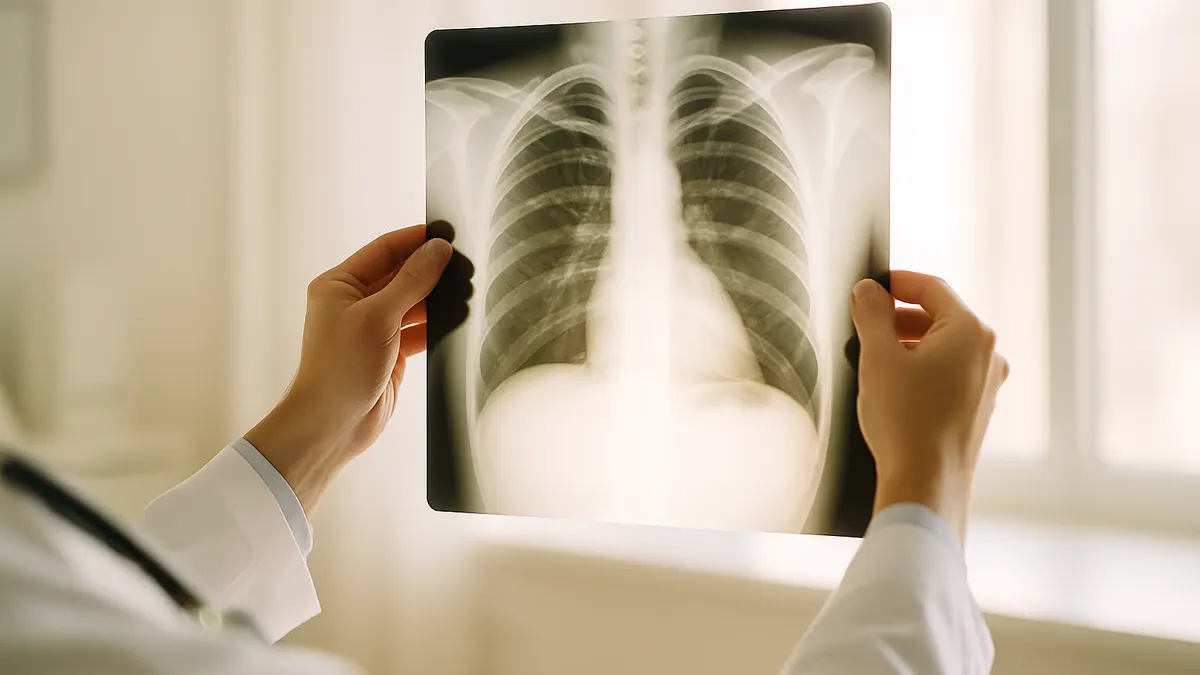
What Is Mesothelioma?
Mesothelioma is a rare and aggressive cancer that develops in the thin layer of tissue, called the mesothelium, that lines the lungs, abdomen, heart, and other internal organs. Nearly all cases are linked to asbestos exposure, often from decades-old jobs in construction, shipbuilding, manufacturing, power plants, or the military. Because symptoms typically do not appear until twenty to fifty years after exposure, most patients are diagnosed at an advanced stage, when the disease has already spread and treatment options are limited.
The most common form, pleural mesothelioma, affects the lining around the lungs and causes chest pain, shortness of breath, and persistent coughing. Peritoneal mesothelioma, which affects the abdominal lining, causes swelling, digestive problems, and unexplained weight loss. Less commonly, mesothelioma can develop around the heart or testicles. All forms are physically debilitating and typically require aggressive treatment such as surgery, chemotherapy, and radiation, all of which come with their own disabling side effects, often on top of the symptoms caused by the cancer itself.
Causes and Risk Factors
Asbestos exposure is by far the leading cause of mesothelioma, and the disease disproportionately affects people who worked in certain trades before the dangers of asbestos were widely understood or regulated. Common risk groups include shipyard and Navy veterans, insulation and construction workers, auto mechanics who handled brake linings, factory and mill workers, and firefighters exposed to asbestos-containing building materials. Family members of exposed workers can also develop mesothelioma through secondary exposure to asbestos fibers carried home on clothing. Because the disease has such a long latency period, many claimants are older adults who left the industry that exposed them decades earlier, sometimes retiring years before any symptoms appeared, which can make reconstructing an accurate occupational history an important part of building a complete claim.
How Social Security Defines Disability for Mesothelioma
SSA's Compassionate Allowances Program
Mesothelioma is included on the SSA’s list of Compassionate Allowances conditions, listed by specific subtype, including Pleural Mesothelioma, Peritoneal Mesothelioma, Pericardial Mesothelioma, Sarcomatoid Mesothelioma, and Desmoplastic Mesothelioma. This program is designed to fast-track claims for diseases that obviously meet the SSA’s definition of disability, cutting the typical wait time for a decision from several months down to as little as a few weeks. Because mesothelioma is aggressive and often terminal, the SSA recognizes that claimants cannot afford to wait through the standard multi-step review process that applies to most other impairments.
Meeting a Blue Book Listing
Even outside the Compassionate Allowances fast track, mesothelioma is specifically addressed under Section 13.00, Malignant Neoplastic Diseases, of the SSA’s Listing of Impairments, often called the Blue Book. Under this listing, a diagnosis of mesothelioma alone is generally sufficient to meet the SSA’s medical criteria, regardless of the cancer’s stage. This is a significant advantage compared to some other malignant conditions covered under our cancer disability benefits guide, where eligibility often depends on the specific type, stage, and response to treatment.
Medical Evidence You Will Need
A strong mesothelioma claim depends on clear, consistent medical documentation. The SSA and your disability attorney will typically want to see the following:
- A pathology report confirming the mesothelioma diagnosis through biopsy results
- Imaging studies such as CT scans, PET scans, or MRIs showing the tumor’s location and extent
- Treatment records from your oncologist, including surgical notes, chemotherapy, and radiation logs
- Documentation of your work history, including any exposure to asbestos on the job
- Statements from treating physicians describing your functional limitations and expected prognosis
- A summary of your work history covering the past several years, which helps establish both SSDI insured status and the physical demands you can no longer perform
Because mesothelioma often causes breathing difficulty similar to other lung-related conditions, some claimants find it helpful to review how the SSA evaluates disability benefits for pulmonary fibrosis, which explains how respiratory limitations are documented and weighed in a disability determination.

SSDI vs. SSI: Which Program Applies
Whether you qualify for SSDI, SSI, or both depends on your work history and financial circumstances, not on the severity of your diagnosis.
- SSDI is available to workers who have paid Social Security taxes long enough to earn sufficient work credits, and monthly benefit amounts are based on your earnings record.
- SSI is a needs-based program for individuals with limited income and resources, regardless of work history.
- Some claimants qualify for both programs simultaneously if their SSDI benefit amount is low enough to meet SSI’s income limits.
Our team can review your earnings record and financial situation to determine which program, or combination of programs, applies to your case, and whether any dependent family members may also be eligible for auxiliary benefits.
How Mesothelioma Affects Daily Function and Work Capacity
Beyond the cancer itself, the practical effects of mesothelioma and its treatment make full-time work impossible for most patients. Chemotherapy and radiation frequently cause severe fatigue, nausea, and weakened immune function that makes exposure to a normal workplace risky. Surgical procedures, such as removing part of a lung, can permanently reduce breathing capacity and physical stamina. Many patients also experience chronic pain from tumor growth, nerve involvement, or post-surgical complications that persists long after active treatment ends, along with cognitive fog that can affect concentration and decision-making.
These combined effects typically prevent patients from sustaining regular attendance, concentration, or physical exertion at work, which is exactly the kind of functional limitation the SSA looks for when evaluating a disability claim.
Veterans and Occupational Asbestos Exposure
Because asbestos was widely used aboard Navy ships and in military construction through the 1970s, a significant share of mesothelioma diagnoses occur in veterans. Veterans with service-connected asbestos exposure may be able to pursue disability benefits through both the SSA and the Department of Veterans Affairs at the same time, and each program evaluates the claim independently under its own rules. Veterans pursuing both avenues should keep detailed records of their service history and any occupational exposure documented in military personnel files.
Steps to Apply for Disability Benefits with Mesothelioma
- Gather your medical records. Collect pathology reports, imaging, and treatment notes as early as possible.
- File your application. Apply online, by phone, or in person at your local Social Security office, noting that your condition may qualify for Compassionate Allowances processing.
- Submit supporting documentation promptly. Respond quickly to any SSA requests for additional records to avoid delays.
- Track your claim status. The SSA will notify you of its decision, which under Compassionate Allowances processing can arrive in a matter of weeks rather than months, and reviewing broader SSA disability decision data can help set realistic expectations for timing.
- Appeal if necessary. If your initial claim is denied, you generally have sixty days to request reconsideration or a hearing.
Our Social Security Disability Benefits practice team handles each of these steps on a client’s behalf, from the initial application through any necessary appeal, so patients and families can focus on treatment rather than paperwork.
Continuing Reviews and Long-Term Benefits
Because mesothelioma is often terminal, the SSA generally does not schedule frequent continuing disability reviews for approved claimants the way it might for a condition expected to improve. That said, circumstances such as a significant improvement in health or a return to substantial work activity can still affect ongoing eligibility, so it is worth understanding how your specific award letter characterizes your review schedule.
Common Reasons Mesothelioma Claims Are Delayed or Denied
Even with Compassionate Allowances eligibility, claims can still stall for avoidable reasons:
- Incomplete or missing pathology and imaging reports
- Failure to identify the claim as a Compassionate Allowances eligible condition during filing
- Inconsistent work history or earnings records
- Missing physician statements about functional limitations
- Administrative errors or backlogs at the local SSA office
Reviewing which conditions automatically qualify for SSDI can help you understand how mesothelioma compares to other fast-tracked diagnoses and what documentation typically moves a claim forward without unnecessary delay.
Quick Summary: Mesothelioma and Social Security Disability
- Mesothelioma qualifies as a Compassionate Allowances condition, meaning faster SSA processing.
- A confirmed diagnosis generally meets Blue Book Listing 13.00 criteria on its own.
- Both SSDI and SSI may be available depending on work history and income.
- Strong medical documentation, including pathology and imaging reports, is essential.
- Veterans with service-connected asbestos exposure may be able to pursue SSA and VA benefits at the same time.
- Claims can still be delayed by incomplete records or administrative errors, so thorough medical documentation submitted early helps avoid setbacks.
Getting Help With Your Mesothelioma Disability Claim
If you or a loved one has been diagnosed with mesothelioma, applying for Social Security disability benefits should not add unnecessary stress to an already difficult time. The attorneys at Chermol & Fishman represent claimants nationwide, with offices in Pennsylvania, New Jersey, Texas, Florida, and Kentucky, including families in Bucks County, and can help navigate the Compassionate Allowances process to secure the benefits they need without unnecessary delay.
Frequently Asked Questions
Does mesothelioma automatically qualify for Social Security disability benefits?
A confirmed mesothelioma diagnosis is included on the SSA's Compassionate Allowances list, which means most claims are approved quickly once the diagnosis is documented, though a formal application and supporting medical evidence are still required.
How long does it take to get approved for disability with mesothelioma?
Because mesothelioma qualifies for Compassionate Allowances processing, claims are often decided within a few weeks rather than the several months a standard SSDI or SSI application can take. You can find more detail on typical timelines on our page explaining how long it takes to get approved for disability benefits.
Can I get SSDI and SSI at the same time with mesothelioma?
Yes, some claimants qualify for both programs if their SSDI monthly benefit falls below SSI's income threshold, though eligibility depends on your individual earnings and financial situation.
What medical records do I need to prove a mesothelioma disability claim?
You will typically need a pathology report confirming the diagnosis, imaging studies, oncology treatment notes, and a physician's statement describing your functional limitations.
Will I receive back pay if my mesothelioma claim is approved?
Yes, approved claimants are generally entitled to back pay dating to their application date or, for SSDI, potentially earlier depending on when your disability began. Our page on understanding SSDI back pay and retroactive benefits explains how this is calculated.
Do I need a lawyer to file a mesothelioma disability claim?
While not required, working with an experienced disability attorney can help ensure your claim is correctly flagged for Compassionate Allowances processing and that all required documentation is submitted the first time.
What if my mesothelioma disability claim is denied?
You generally have sixty days from the denial notice to request reconsideration or a hearing, and an attorney can help identify what additional evidence may strengthen your appeal.
Does the stage of mesothelioma affect my eligibility for benefits?
No, unlike many other cancers, a confirmed mesothelioma diagnosis generally meets SSA's Blue Book criteria regardless of the cancer's stage at diagnosis.