
We do not request reimbursement of costs
(such as repayment for obtaining medical records)
from veterans nor from people who suffer from multiple sclerosis.
- Call today for a free evaluation
- 1-888-774-7243
Do I Need a Lawyer for Disability? What Every Applicant Should Know
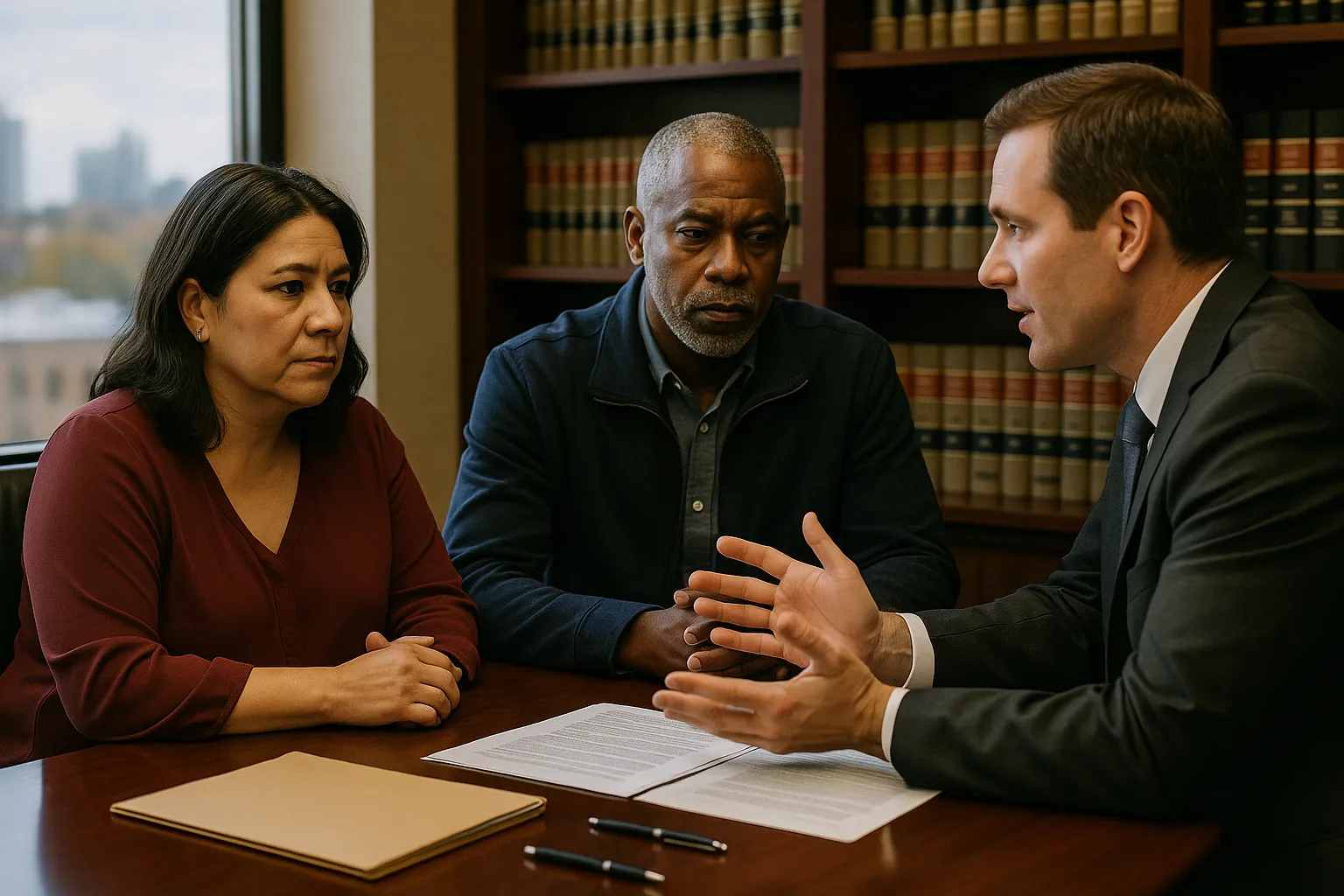
If you’re unable to work because of a serious medical condition, navigating the Social Security system alone can feel overwhelming. One of the most common questions people ask is simple: do I need a lawyer for disability benefits? The short answer is that while the law doesn’t require you to hire one, an experienced disability attorney can dramatically improve your chances of approval and take a massive burden off your shoulders during an already stressful period.
Whether you’re applying for Social Security Disability Insurance (SSDI) or Supplemental Security Income (SSI), the process is paperwork-heavy, deadline-driven, and full of technical rules. Below, we break down when a lawyer helps most, what they actually do, how much they cost, and how to decide if legal representation is right for your situation.
Understanding the Social Security Disability Process
Before deciding whether to hire a lawyer, it helps to understand what you’re up against. The Social Security Administration (SSA) runs two main benefit programs for people who cannot work due to a medical impairment: SSDI (for workers who have paid into Social Security) and SSI (a needs-based program for those with limited income and resources). Both require strong medical evidence proving your condition prevents you from performing substantial gainful activity.
Initial applications are denied far more often than approved — not because applicants aren’t genuinely disabled, but because the paperwork, medical documentation, or legal definitions weren’t handled correctly. You can learn more about who qualifies on the official Social Security Administration’s Benefits for People with Disabilities page. For a closer look at how each stage of a claim is handled — from initial filing to federal court appeals — the full list of disability practice areas at Chermol & Fishman gives a clear picture of the services available to claimants across the country.
Do You Legally Need a Lawyer to File a Disability Claim?
No — you don’t legally need an attorney to file for disability benefits. Anyone can submit an application online, by phone, or at a local SSA field office. But legally allowed and strategically wise are two very different things. The application itself isn’t the hard part — proving, in the specific language the SSA recognizes, that your medical condition meets their strict disability listings is. That’s where most self-filed claims fall apart. A missed deadline, a vague doctor’s note, or an incomplete work-history report is often enough to trigger a denial.
When Hiring a Disability Lawyer Makes the Biggest Difference
There are certain situations where having legal representation isn’t just helpful — it’s almost essential. If any of the following apply to you, seriously consider speaking with an attorney:
- Your initial application has already been denied and you need to file a request for reconsideration or appeal.
- You’ve been scheduled for a hearing in front of an Administrative Law Judge (ALJ) — these hearings are where most cases are won or lost.
- Your medical condition is complex, involves multiple impairments, or includes mental health components that are harder to document.
- You’re juggling both physical and psychological conditions that together limit your ability to work.
- You’re approaching a deadline — missing the 60-day appeal window can cost you the right to challenge a denial.
- You suspect your case may end up in federal court after exhausting administrative remedies.
If you’re applying in Pennsylvania specifically, working with a firm that knows the local SSA offices, hearing judges, and Disability Determination Services (DDS) process makes a meaningful difference. A knowledgeable Pennsylvania disability lawyer understands the regional nuances that out-of-state attorneys simply don’t.
What Does a Disability Lawyer Actually Do?
A lot of people picture disability attorneys as courtroom figures, but most of the work happens long before any hearing room. Here’s what a good disability lawyer typically handles on your behalf:
- Case evaluation — honestly assessing whether your medical condition and work history give you a realistic chance of approval.
- Gathering medical evidence — requesting records from every provider, ordering missing test results, and securing statements from treating physicians.
- Completing and reviewing paperwork — the work history report, function report, and application forms must be precise and internally consistent.
- Managing SSA communications — responding to requests for additional information and tracking your claim status.
- Preparing you for your hearing — so you know what questions to expect and how to describe your symptoms accurately.
- Cross-examining vocational and medical experts — at the ALJ hearing, the SSA often calls experts whose testimony can make or break your case.
- Filing appeals — at every level, from reconsideration through the Appeals Council and, if needed, federal district court.
How Much Does a Disability Lawyer Cost?
This is where many applicants are pleasantly surprised. Disability attorneys almost universally work on a contingency basis, which means:
- You pay nothing upfront.
- The lawyer only gets paid if you win your case.
- Fees are capped by federal law — typically 25% of your past-due back pay, with a statutory maximum set by the SSA.
- There’s no fee on future monthly benefits — only a portion of the retroactive amount you’re owed.
In practical terms, this means hiring an attorney costs you nothing out of pocket. If you don’t win, you don’t pay. If you do win, the fee comes directly out of the back pay the SSA sends you, so you never have to write a check.
Does Having a Lawyer Actually Improve Your Odds?
Yes — and the data supports it. Claimants represented by an experienced disability attorney, especially at the hearing level, are statistically more likely to be approved than those who appear unrepresented. Lawyers know exactly what evidence the SSA weighs most heavily, frame your condition in language that matches the SSA’s disability listings, anticipate the arguments vocational experts typically raise, and catch procedural errors that would otherwise sink your claim.
For applicants whose cases have already been denied, representation becomes even more valuable. The appeals process has strict deadlines and specific evidentiary standards, and having someone who navigates it daily can mean the difference between another denial and finally getting approved.
Should You Hire a Disability Lawyer?
If your situation is straightforward, your medical evidence is airtight, and you’re comfortable with paperwork and deadlines, you might succeed on your own. But for most people — especially those facing a denial, a hearing, or a complex medical history — hiring a lawyer is worth it. You gain an advocate who knows the system, costs nothing upfront, and is paid only if you succeed.
If you want a free evaluation of your situation, the team at Chermol & Fishman offers no-cost consultations. You can reach out through their contact page to speak with someone who can review your case and tell you honestly where you stand — it could be the most important step you take toward getting the benefits you deserve.