
We do not request reimbursement of costs
(such as repayment for obtaining medical records)
from veterans nor from people who suffer from multiple sclerosis.
- Call today for a free evaluation
- 1-888-774-7243
What Happens If You Miss Your SSDI Hearing?
Missing your Social Security Disability Insurance (SSDI) hearing is one of the most stressful situations a disability claimant can face.
Whether you had a medical emergency, never received the notice, or simply could not make it that day, the situation can feel overwhelming. The good news is that a missed hearing does not automatically end your case in all situations. However, you must act fast and understand exactly what happens next.
The ALJ hearing is often the most pivotal stage of the entire SSDI process. Most applicants reach this point only after being denied at the initial application and reconsideration stages. Losing your spot at the hearing table can mean months or even years of delays. Understanding your options is essential.
The disability attorneys at Chermol & Fishman regularly help claimants recover from missed hearings and get their cases back on track. This article covers what to expect, how to respond, and how to protect your right to benefits.
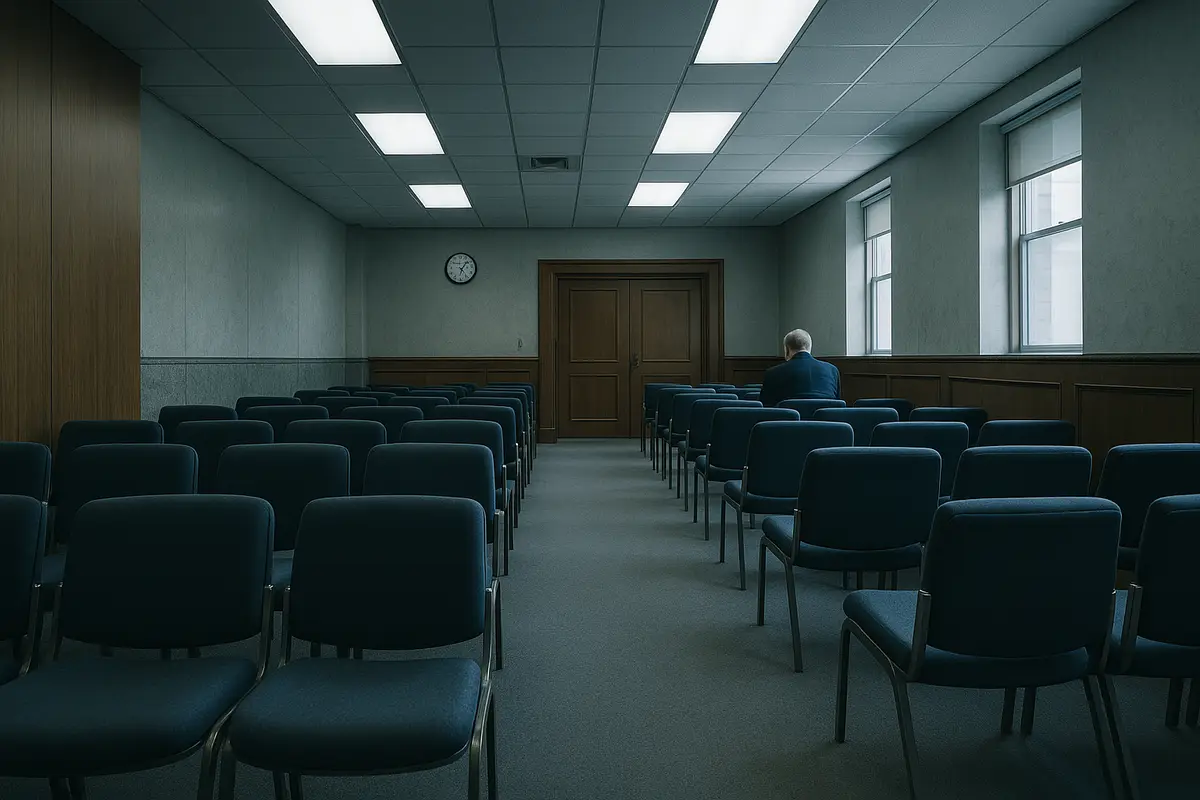
What Happens Immediately After You Miss Your SSDI Hearing?
When you do not appear at your scheduled hearing before an Administrative Law Judge, the SSA will typically issue a Notice of Dismissal. This formally closes your hearing request and leaves the prior denial of your claim in place.
The SSA does not treat a missed hearing as an automatic withdrawal in every case, but in most situations, that is precisely what happens unless you respond with an acceptable explanation. The clock starts ticking the moment that the dismissal letter lands in your mailbox.
Here is what typically follows a missed SSDI hearing:
- A written Notice of Dismissal is mailed to your address on file
- Your prior denial of SSDI benefits remains in effect
- You have a limited window — generally 60 days — to request reinstatement
- Failing to respond can result in losing your right to appeal this denial
Can You Get a New Hearing After Missing Your SSDI Appointment?
In many cases, you can request that the dismissal be vacated and a new hearing scheduled. The process requires a written request explaining why you missed the hearing, along with documentation supporting your explanation.
SSA regulations allow an ALJ to reopen a dismissed case when the claimant demonstrates good cause for the absence. The sooner you submit your request, the better — ideally within 10 days of receiving the dismissal, though you generally have up to 60 days.
What Qualifies as Good Cause for Missing an SSDI Hearing?
The SSA evaluates good cause on a case-by-case basis. Common circumstances that are often, but not always, accepted include:
- Serious illness or medical emergency — your own or an immediate family member’s
- Hospitalization or emergency medical treatment on or around the hearing date
- Death in the family close in time to the scheduled hearing
- Failure to receive the hearing notice due to a mailing error or outdated address
- Transportation breakdown or inability to travel due to active symptoms of your disability
- Natural disaster or severe weather that prevented travel
- Miscommunication with your attorney or authorized representative
Documentation is very important. A physician’s letter, hospital discharge summary, emergency room records, or other written proof can strengthen your good cause claim and give the ALJ a concrete basis to reinstate your case.
How to Request a New SSDI Hearing After a Dismissal
Requesting reinstatement after a missed hearing involves several specific steps. Here’s what you need to do:
- Act immediately. Acting quickly is critical, as waiting reduces your chances of a successful reinstatement.
- Write a formal letter to the SSA hearing office that issued the dismissal. Clearly state that you are requesting the dismissal be vacated and provide your full name, Social Security number, and case number.
- Include all supporting documentation. This can include medical records, doctor’s notes, emergency room receipts, or anything else that proves you had good cause to miss the hearing.
- Keep copies of every document you submit. Document every communication you have with the SSA throughout this process.
- Consult a disability attorney before filing. A lawyer familiar with SSA procedures can draft the request correctly and identify supporting evidence you may have overlooked.
The Social Security Administration’s official appeals page also outlines general options available to claimants who need to challenge or reopen a decision.
What Are Your Options If the SSA Denies Your Good Cause Request?
If the ALJ determines you did not have good cause for the missed hearing, your situation becomes more difficult. However, you may still have a path forward. Knowing each option helps you make the most informed decision about your case.
One option is to appeal the denial of your disability claim by requesting a review from the Appeals Council. The Appeals Council can reverse an ALJ decision or remand the claim for a new hearing if it finds legal error in the dismissal.
Additional options include:
- Filing a new SSDI application from scratch. Unfortunately, this restarts the entire process and resets your established onset date
- Requesting Appeals Council review. This approach may work if the dismissal itself was procedurally improper
- Appealing to a Federal District Court. You can do this if the Appeals Council denies your request. However, the process can be complicated, so you’ll want legal representation.
Starting over with a new application carries serious financial consequences. Your SSDI back pay and retroactive benefits are calculated from your established onset date. A new application typically resets that date, which can mean losing thousands of dollars in back pay you were otherwise entitled to receive.
For claimants whose cases have been denied at every administrative level, filing an appeal in federal court is sometimes the strongest remaining option. Federal courts can review whether the SSA followed the correct legal standards when handling your case.
Why Missing Your SSDI Hearing Can Cost You More Than You Realize
Most disability applicants do not reach the hearing level quickly. The average wait time from initial application to an ALJ hearing can run anywhere from one to three years, depending on your region and the backlog at your local hearing office. Missing that hearing means losing everything you waited for.
The real costs of a missed hearing include:
- Loss of accumulated wait time — potentially years of progress in the SSDI pipeline
- Forfeiture of back pay if you must refile and your onset date resets
- An extended period without benefits while your case is delayed or restarted
- Increased difficulty proving your case if medical records from earlier years become harder to obtain
Understanding how Administrative Law Judges decide SSDI cases can help you prepare more effectively for a rescheduled hearing.
Judges typically weigh medical evidence, work history, and credibility. Knowing what they usually prioritize gives you an advantage when you get another chance.
How to Avoid Missing Your SSDI Hearing in the First Place
Prevention is the better strategy when it comes to missing SSDI hearings. Many missed hearings result from preventable circumstances, such as outdated contact information, scheduling confusion, or a failure to communicate an emerging conflict to the hearing office in advance.
Here are some steps every SSDI claimant should take to avoid a missed hearing:
- Keep your address and phone number current with the SSA at all times, especially if you move during the long wait for a hearing
- Set calendar reminders as soon as you receive your hearing notice
- Contact the hearing office immediately if you anticipate any conflict with your scheduled date
- Request a postponement proactively, as the SSA typically honors timely requests with valid reasons
- Ask about video or telephone hearing options if attending in person is difficult due to your medical condition
According to the SSA’s hearing process overview, claimants have the right to request certain accommodations, including alternative hearing formats, when in-person attendance is not feasible.
How a Disability Attorney Helps After a Missed SSDI Hearing
Legal representation can be very important in the period immediately following a missed hearing. An experienced disability attorney can assess your situation quickly, identify whether good cause exists, and take action before critical deadlines pass.
A disability lawyer can specifically help you by:
- Evaluating the strength of your good cause argument
- Drafting and filing the reinstatement request with critical supporting documentation
- Communicating directly with the hearing office on your behalf
- Representing you at any rescheduled hearing
- Advising on Appeals Council or federal court options if reinstatement is denied
Many claimants wonder whether hiring a Social Security disability lawyer is worth it at this stage. The answer is almost always yes, especially after a missed hearing, when the procedural stakes are high, and handling every step correctly improves outcomes.
It also helps to understand the distinctions between the different levels of the appeals process. The difference between SSDI reconsideration and a formal appeal matters when deciding which path forward makes the most sense for your individual situation.
Contact Chermol & Fishman for a Free Case Evaluation
A missed SSDI hearing is serious, but with prompt action and experienced legal support, it is often recoverable. If you missed your hearing or are preparing for a rescheduled one, contact our office today.
Our disability attorneys serve clients in Florida, Texas, New Jersey, and Pennsylvania, and will review your situation at no charge and help you determine the best path forward. Call us now: 1-888-774-7243
Frequently Asked Questions About Missing an SSDI Hearing
What happens if I miss my SSDI hearing?
The ALJ will typically issue a Notice of Dismissal, which closes your hearing request and leaves the prior denial in effect. You have a limited window — generally up to 60 days — to request reinstatement by showing good cause for your absence.
Can I reschedule my SSDI hearing after missing it?
In many cases, you can reschedule your SSDI hearing after missing it. You must contact the SSA hearing office promptly and submit a written explanation with supporting documentation. If the ALJ finds your reason acceptable, the dismissal can be vacated and a new hearing date assigned.
Will I lose my SSDI back pay if I miss my hearing?
You may lose SSDI back pay if you miss your hearing and are required to refile a new application because of it. A new filing typically resets your disability onset date, which is the benchmark used to calculate how far back your benefits can be paid. This is one of the most significant financial risks associated with a missed hearing.
How long do I have to respond after a missed SSDI hearing?
You should respond as quickly as possible after a missed SSDI hearing— ideally within 10 days of receiving the dismissal notice. SSA regulations generally allow up to 60 days to request that the case be reopened, but acting sooner can improve your chances of success.
What is good cause for missing an SSDI hearing?
Good cause for missing an SSDI hearing includes serious illness, hospitalization, family emergency, failure to receive the hearing notice, transportation failure, or other circumstances genuinely beyond your control. The SSA requires documentation to support any good cause claim.
Can I participate in an SSDI hearing by phone or video?
The SSA offers remote hearing formats, including both video and telephone options. If attending an SSDI hearing in person is not feasible due to your medical condition or other circumstances, contact your hearing office in advance to request an alternative format before your scheduled date.