
We do not request reimbursement of costs
(such as repayment for obtaining medical records)
from veterans nor from people who suffer from multiple sclerosis.
- Call today for a free evaluation
- 1-888-774-7243
How to Apply for SSDI Benefits in Allentown, PA: A Complete Guide
Quick answer: To apply for Social Security Disability Insurance (SSDI) in Allentown, PA, you need enough recent work credits, a medical condition expected to last at least 12 months or result in death, and proof that the condition stops you from doing substantial work. You can apply online at ssa.gov, by phone, or in person at the Allentown Social Security office at 41 N 4th Street. Most first-time applications — roughly two out of three — are denied, so gathering complete medical records and understanding each step before you file gives you the best shot at approval.
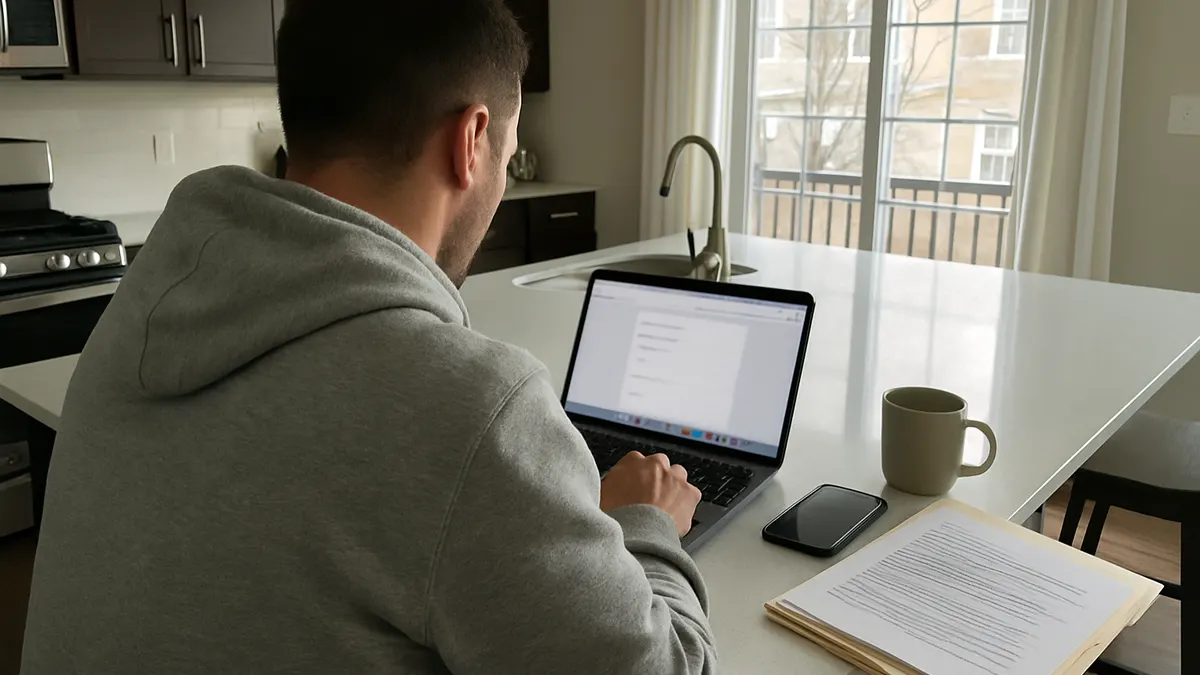
Applying for Social Security Disability Insurance can feel overwhelming, especially when you’re already managing a serious health condition. If you live in Allentown or anywhere in the Lehigh Valley, this guide walks you through exactly what SSDI is, who qualifies, and how to move through the application process without the confusion that trips up so many first-time filers.
What Is SSDI and Who Qualifies?
SSDI is a federal insurance program funded through payroll taxes. Unlike Supplemental Security Income (SSI), which is based on financial need, SSDI is tied to your work history. You essentially pay into the system through years of employment, and if you become disabled, you can draw benefits based on the credits you’ve earned.
To qualify, you generally need to meet three requirements:
- Work credits. Most adults need 40 credits total, with 20 earned in the last 10 years before becoming disabled. Younger workers may qualify with fewer credits.
- Medical severity. Your condition must meet or equal a listing in the Social Security Administration’s (SSA) official impairment listings, or it must be severe enough that you cannot perform any substantial work given your age, education, and experience.
- Duration. The condition must have lasted, or be expected to last, at least 12 months, or be expected to result in death.
In 2026, the SSA defines substantial gainful activity (SGA) as earning more than $1,690 a month for non-blind applicants. Earning above that threshold generally signals to the SSA that you’re capable of substantial work, which can affect your eligibility.
Step-by-Step: How to Apply for SSDI in Allentown
Filing correctly the first time saves months of waiting. Here's the process broken into manageable steps.
Step 1: Confirm You Meet the Basic Requirements
Before you file, check that your work history and medical condition line up with SSDI’s rules. A brief consultation with an Allentown Social Security disability attorney can clarify whether your specific diagnosis and earnings record support a strong claim.
Step 2: Gather Your Medical and Work Records
The SSA wants a complete picture of your condition and how it limits you. Useful records include doctor and hospital records, lab results and imaging, a list of medications and side effects, and a work history covering the last 5 years.
Step 3: Choose How to Apply
Allentown residents have three options for filing:
- Online at ssa.gov, available 24/7 and generally the fastest method.
- By phone, calling the SSA’s national line to complete the application with a representative.
- In person at the local Social Security office located at 41 N 4th Street, Allentown, PA 18102.
Step 4: Complete the Adult Disability Report
This form asks detailed questions about your medical providers, medications, and how your condition limits daily activities like standing, concentrating, or lifting. Be specific and consistent, since vague answers often trigger delays or requests for more information.
Step 5: Submit and Track Your Application
Once submitted, your claim goes to the Pennsylvania Bureau of Disability Determination, a state agency that works with the SSA to make medical decisions on disability claims. You can check your application status online or by phone while you wait.
Step 6: Attend Any Required Consultative Exams
If your medical records don’t fully support your claim, the SSA may schedule an independent medical exam. Attending every scheduled appointment is critical, since missing one can result in an automatic denial.
Documents You'll Need Before You File
Having paperwork organized in advance makes the process smoother. Applicants typically need:
- Social Security number and birth certificate
- Names, addresses, and phone numbers of all treating doctors
- Medical records, including test results and treatment notes
- A summary of medications and dosages
- W-2 forms or self-employment tax returns from the past year
- A detailed work history for the last 5 yearss
Common Medical Conditions That Qualify for SSDI
The SSA maintains a list of impairments severe enough to typically qualify, but many conditions not on that list can still support a claim if the medical evidence is strong enough. Chronic pain disorders are a frequent example; many Allentown applicants pursue fibromyalgia disability claims when widespread pain and fatigue prevent full-time work.
Mental health conditions are equally valid grounds for SSDI. The SSA recognizes that psychiatric impairments can be just as limiting as physical ones, which is why many Lehigh Valley residents file depression disability claims supported by treatment records from a psychiatrist or therapist.
Metabolic and endocrine disorders matter too. Applicants managing uncontrolled blood sugar levels, neuropathy, or vision complications often build diabetes-related disability claims around documented organ damage or functional limitations tied to the disease.
How Long Does It Take to Get a Decision?
Processing times vary by case complexity and current SSA workload. Initial applications generally take several months to review, though disability claim processing timelines can stretch longer if additional medical evidence or a consultative exam is required. Compassionate Allowances exist for certain severe conditions, allowing faster approval for applicants with clearly disabling diagnoses.
What Happens If Your Claim Is Denied?
Denial at the initial stage is common, even for legitimate claims. If this happens, you generally have 60 days to request reconsideration, and if that’s also denied, you can request a hearing before an administrative law judge. Understanding the SSDI hearing process ahead of time helps applicants prepare stronger testimony and present medical evidence more effectively.
If reconsideration and a hearing both result in denial, you still have options. Many successful cases involve appealing a denied disability claim through the Appeals Council or, in rare instances, federal court. Missing appeal deadlines is one of the most common and costly mistakes applicants make, so acting quickly at each stage matters.
SSDI Application Timeline at a Glance
| Stage | Typical Timeframe | Where It Happens |
| Initial application review | 3–8 months | Pennsylvania Bureau of Disability Determination |
| Reconsideration (if denied) | 3–5 months | Same state agency |
| Hearing request | 8–14 months | Office of Hearings Operations |
| Appeals Council review | 6–12 months | Federal review office |
Why Work With an Allentown SSDI Attorney
Statistics consistently show that applicants represented by an attorney are more likely to be approved, particularly at the hearing stage. An experienced advocate knows how to frame medical evidence, cross-examine vocational experts, and avoid the paperwork mistakes that lead to unnecessary denials. Browsing the firm’s disability practice areas can help you understand exactly what a disability lawyer handles on your behalf, from the first application through a federal appeal if necessary.
Experience matters when the SSA is deciding your claim. Reviewing the firm’s background representing SSDI applicants can give you a clearer picture of who would be handling your case and how long they’ve been doing this work.
Many first-time applicants still have lingering questions about deadlines, benefit amounts, or what counts as medical evidence. A collection of answers to common SSDI and SSI questions covers many of the concerns that come up before someone ever picks up the phone.
When you’re ready to talk through your specific situation, you can always request a free case evaluation rather than trying to piece together an application on your own.
Applying for SSDI is rarely simple, but understanding each stage of the process puts you in a much stronger position. Whether you’re just starting your application or preparing for a hearing after a denial, having accurate
Take the Next Step Toward Your SSDI Benefits
information and organized documentation from day one makes a real difference in the outcome. The team at Chermol & Fishman has spent years helping applicants throughout Pennsylvania build strong claims from the initial filing through federal appeals when necessary. The firm also represents clients well beyond Allentown, including disability applicants across Florida, Texas, New Jersey, and Pennsylvania, so if you or a family member outside the Lehigh Valley needs guidance, help is available no matter where you’re located. According to the SSA’s 2026 program updates, earnings thresholds and benefit figures are adjusted annually, so checking current numbers before you file is always worthwhile. If you’re ready to talk through your specific situation, reaching out for a free case review is a straightforward first step toward getting the benefits you’ve earned.
Frequently Asked Questions
1. How much does SSDI pay each month?
Monthly SSDI payments are based on your lifetime average earnings before you became disabled. There is no flat amount; each recipient's benefit is calculated individually using their earnings record.
2. Can I work part-time while applying for SSDI?
Yes, but your earnings must stay below the SGA threshold. In 2026, that limit is $1,690 a month for non-blind applicants. Earning more than that may suggest you're capable of substantial work.
3. Do I need a lawyer to apply for SSDI in Allentown?
No, a lawyer isn't required to apply, but representation often improves your odds, especially if your claim reaches the hearing stage. Most disability attorneys work on contingency, so there's no upfront cost.
4. What if I've never worked but I'm disabled?
If you lack sufficient work credits for SSDI, you may still qualify for SSI, which is based on financial need rather than work history.
5. How far back does SSDI pay benefits?
SSDI can include back pay from your established onset date, though there's a mandatory five-month waiting period before benefits begin, and retroactive payments are capped at 12 months before your application date.
6. Can I reapply if my SSDI claim is denied?
Yes, though filing an appeal within the deadline is usually a stronger strategy than starting a brand-new application, since a new filing forfeits your original filing date and any back pay tied to it.
7. What medical evidence carries the most weight?
Detailed, consistent records from treating physicians, including objective test results and clear notes about functional limitations, typically carry more weight than subjective statements alone.
8. Is SSDI taxable income?
It can be, depending on your total household income. Some recipients pay federal tax on a portion of their benefits, while others owe nothing, depending on filing status and combined income.