
We do not request reimbursement of costs
(such as repayment for obtaining medical records)
from veterans nor from people who suffer from multiple sclerosis.
- Call today for a free evaluation
- 1-888-774-7243
Is Scleroderma a Disability?
Living with scleroderma means adjusting to a body that doesn’t always cooperate. Some days bring manageable stiffness and mild skin tightness; other days bring debilitating fatigue, painful Raynaud’s flare-ups, or shortness of breath that makes a full workday feel impossible. If you’re in this position, you’re likely asking one direct question: does scleroderma count as a disability in the eyes of the Social Security Administration (SSA)?
Yes — scleroderma can qualify as a disability under SSA rules, but a diagnosis alone isn’t enough. The SSA looks at how severely the disease limits your ability to function and work, based on detailed medical evidence, not just a doctor’s diagnosis on paper. Claims that succeed are almost always backed by consistent treatment records showing organ involvement, physical limitations, or both.
This guide breaks down how the SSA evaluates scleroderma claims, what medical documentation strengthens your case, and what the application and appeals process typically looks like.
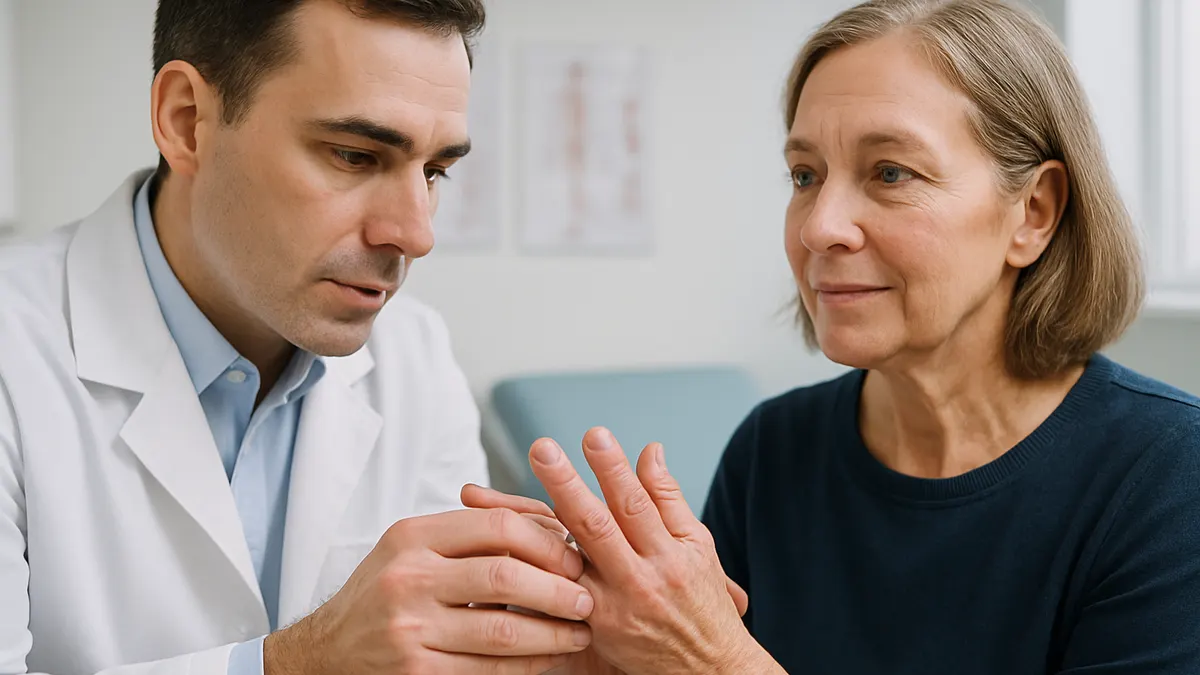
What Is Scleroderma?
Scleroderma is a chronic autoimmune disease in which the body produces excess collagen, causing the skin and, in more severe cases, internal organs to harden and thicken. It generally falls into two categories:
- Localized scleroderma, which affects the skin and underlying tissue in specific areas but typically spares internal organs.
- Systemic sclerosis, a more serious form that can involve the lungs, heart, kidneys, esophagus, and blood vessels in addition to the skin.
Systemic sclerosis often overlaps with other autoimmune conditions, including lupus and Sjögren’s syndrome, and it’s this systemic form that most frequently qualifies for Social Security disability benefits — particularly when it leads to complications such as pulmonary involvement or cardiac strain.
Scleroderma is uncommon but not rare, affecting an estimated 100,000 people in the United States, with women diagnosed far more often than men, typically between the ages of 30 and 50. Researchers don’t fully understand what triggers the immune system to begin overproducing collagen, though genetics and environmental exposures are believed to play a role. There is no cure, but treatment can slow progression and manage symptoms — which is exactly why ongoing, well-documented medical care matters so much for both your health and your disability claim.
The distinction between the two forms often shapes how a disability claim is built:
| Feature | Localized Scleroderma | Systemic Sclerosis |
| Area affected | Skin and underlying tissue only | Skin plus internal organs |
| Typical severity | Generally milder | Can be severe or life-limiting |
| Likelihood of qualifying for SSDI/SSI | Lower, unless it causes significant functional limits | Higher, especially with organ involvement |
How the SSA Evaluates a Scleroderma Disability Claim
The SSA has two primary paths for approving a scleroderma-related disability claim.
Meeting the SSA's Official Listing
Systemic sclerosis appears in the SSA’s “Blue Book” under Listing 14.04, within the immune system disorders section. Some severe presentations are also included among the conditions that automatically qualify for SSDI, which can move approval along more quickly when the medical evidence clearly supports it. To meet the listing, records generally need to show either:
- Involvement of two or more organs or body systems, with at least one showing moderate severity, or
- Repeated flare-ups involving symptoms such as severe fatigue, fever, or joint pain, combined with a marked limitation in daily activities, social functioning, or the ability to complete tasks in a reasonable time.
The SSA typically looks for objective involvement of specific organ systems when scoring severity, including the respiratory system (restrictive lung disease or pulmonary hypertension), the cardiovascular system (heart failure or arrhythmias), the renal system (kidney impairment), and the gastrointestinal system (difficulty swallowing or malnutrition from esophageal involvement). The more of these systems that are documented and the more severe each is, the stronger the case for meeting the listing outright.
Qualifying Through a Medical-Vocational Allowance
Many applicants don’t meet the listing precisely but still qualify through a Residual Functional Capacity (RFC) assessment. This evaluates what you can realistically still do — how long you can stand, sit, grip objects, or concentrate — and compares it against the demands of your past work and other available jobs. Severe fatigue, joint stiffness, and hand involvement frequently support an approval through this route, even when organ involvement alone wouldn’t meet the listing.
Symptoms and Complications That Commonly Affect Work Ability
Every person with scleroderma experiences the disease differently, but certain symptoms consistently show up in successful disability claims:
- Thickened, tight skin on the hands and fingers, limiting fine motor tasks like typing, writing, or gripping tools
- Raynaud’s phenomenon, which causes painful color changes and numbness in the fingers when exposed to cold or stress
- Chronic joint pain and stiffness that reduce mobility and stamina throughout the day
- Gastrointestinal complications, including acid reflux and difficulty swallowing
- Lung involvement, including pulmonary fibrosis, which can cause shortness of breath and significantly reduced stamina
- Persistent fatigue that makes sustaining a full workday difficult
- Skin ulcers or breakdown on the fingers that limit hand use
Often, it’s the cumulative effect of several of these symptoms — rather than any one alone — that ultimately prevents a return to full-time work.
Medical Evidence That Strengthens a Scleroderma Claim
Because scleroderma symptoms fluctuate, the strength of your claim depends heavily on documentation. Useful medical evidence typically includes:
- Diagnostic confirmation from a rheumatologist, including skin biopsy results or antibody testing such as ANA or anti-Scl-70
- Pulmonary function tests if lung involvement is suspected
- Imaging studies, such as a chest CT or echocardiogram, documenting organ involvement
- A detailed treatment history, including medications tried and their effectiveness
- Physician statements describing specific functional limitations, such as how far you can walk or how long you can sit
Keeping thorough medical documentation throughout treatment — not just at diagnosis — can meaningfully speed up how quickly the SSA is able to review and approve a claim.
Applying for SSDI or SSI With Scleroderma
- Gather your medical records from every provider involved in your care, including rheumatologists, pulmonologists, and your primary care physician.
- File your application online, by phone, or in person at a local Social Security office.
- Complete any requested forms, including a function report detailing your daily activities and work history.
- Attend a consultative exam if requested. The SSA may schedule an independent evaluation if your existing records don’t provide enough detail.
- Wait for a determination, and be prepared to appeal. Initial decisions typically take three to five months, and many valid claims are still denied on the first attempt.
Why Scleroderma Claims Are Often Denied the First Time
Because scleroderma symptoms can vary from week to week, the SSA sometimes struggles to gauge severity from limited or inconsistent records. Common reasons for denial include incomplete documentation, gaps in treatment, or an evaluator concluding that the applicant retains enough functional capacity to perform some type of work. Understanding how the SSA determines disability can help applicants anticipate what evidence matters most before they file.
A denial isn’t the end of the road. Many applicants who are turned down at the initial stage go on to be approved during reconsideration or at a hearing before an administrative law judge, particularly once they’ve supplemented their file with updated specialist notes, functional assessments, or testimony about how their symptoms affect daily life. Treating each stage of the process as an opportunity to strengthen the record, rather than simply resubmitting the same paperwork, tends to produce better outcomes.
How a Disability Attorney Can Help With Your Scleroderma Claim
Because scleroderma cases often hinge on nuanced medical details — the extent of organ involvement, the pattern of flare-ups, the accuracy of a function report — working with an attorney experienced in Social Security Disability Benefits claims can make a meaningful difference. An experienced advocate can help identify missing evidence, prepare you for a consultative exam, and represent you at a hearing if your application is denied and needs to move through the Supplemental Security Income or SSDI appeals process.
Quick Summary: Is Scleroderma a Disability?
- Scleroderma can qualify for SSDI or SSI benefits if it meets Blue Book Listing 14.02 or significantly limits your ability to work.
- Systemic sclerosis, which can involve internal organs, is more likely to qualify than localized scleroderma.
- Approval often depends on documented organ involvement, functional limitations, and consistent treatment records.
- Many applicants are approved through a medical-vocational allowance rather than by meeting the listing outright.
- Initial denials are common, but detailed medical evidence and legal guidance can improve the odds on appeal.
Living with scleroderma is difficult enough without navigating a complicated disability claim alone. If your condition has made full-time work impossible, the team at Chermol & Fishman can help you understand your options, strengthen your medical evidence, and pursue the SSDI or SSI benefits you may be entitled to. The firm represents applicants throughout Pennsylvania, New Jersey, Texas, and Florida, helping people in each of these states build stronger disability claims from the very first application.
Frequently Asked Questions
Can I qualify for disability if my scleroderma hasn't damaged any internal organs?
Yes, in some cases. Even without organ involvement, severe skin thickening, joint limitations, or Raynaud's phenomenon can support an SSDI or SSI claim under a medical-vocational allowance if the combined effects significantly limit your ability to work.
How much back pay can I receive if my scleroderma claim is approved?
Back pay depends on when you filed your application and when your disability began. SSDI claims can include benefits going back to your established onset date, subject to a five-month waiting period, while SSI back pay generally starts from your application date.
Does Raynaud's phenomenon alone qualify someone for disability benefits?
Raynaud's phenomenon alone rarely meets the SSA's listing requirements, but when it's severe enough to limit hand function and occurs alongside other scleroderma symptoms, it can factor into an approval based on overall functional limitations.
What if my scleroderma symptoms improve and worsen unpredictably?
Fluctuating symptoms are common with scleroderma. Keeping detailed records during both flare-ups and remission periods helps the SSA understand the overall pattern and severity of your condition, rather than judging your case on a single good or bad day.
Can I work part-time while receiving SSDI for scleroderma?
Limited part-time work may be possible without affecting SSDI eligibility, as long as your earnings stay under the SSA's substantial gainful activity threshold. Exceeding that limit can put your ongoing benefits at risk, so it's worth reviewing your specific situation carefully.
How long does it typically take the SSA to decide a scleroderma disability claim?
Initial determinations usually take between three and five months, though complex cases involving multiple organ systems can take longer. If your claim is denied and you need to appeal, the overall process can extend to a year or more.
What should I do if my scleroderma disability claim is denied?
You generally have 60 days to request reconsideration or a hearing before an administrative law judge. Many claims that are denied initially are later approved on appeal, especially once additional medical evidence and a detailed function report are added to the file.
Does the SSA consider scleroderma a permanent disability?
The SSA doesn't automatically classify any diagnosis as permanent. Instead, it periodically reviews approved claims to confirm the condition still meets disability criteria, though reviews for progressive conditions like systemic sclerosis are typically less frequent.