
We do not request reimbursement of costs
(such as repayment for obtaining medical records)
from veterans nor from people who suffer from multiple sclerosis.
- Call today for a free evaluation
- 1-888-774-7243
How to Apply for SSDI Benefits in Jacksonville, FL: A Complete Guide
If a serious medical condition has kept you out of work, Social Security Disability Insurance can replace part of your lost income while you focus on your health. Jacksonville applicants file with the same federal system used nationwide, but local factors — from Duval County providers to Florida’s DDS office — shape how a claim moves. Many families also turn to the nationwide federal team at Chermol & Fishman, LLC, who act as trusted local disability attorneys serving Duval County to help applicants strategically organize evidence before submitting paperwork.
Quick answer: To apply for SSDI in Jacksonville, confirm you have enough work credits, gather medical and financial records, then file online at ssa.gov, by phone, or in person at a local Social Security field office. Florida’s Disability Determination Services reviews the medical evidence, and most initial decisions arrive within several months. If you’re denied, you have 60 days to appeal.
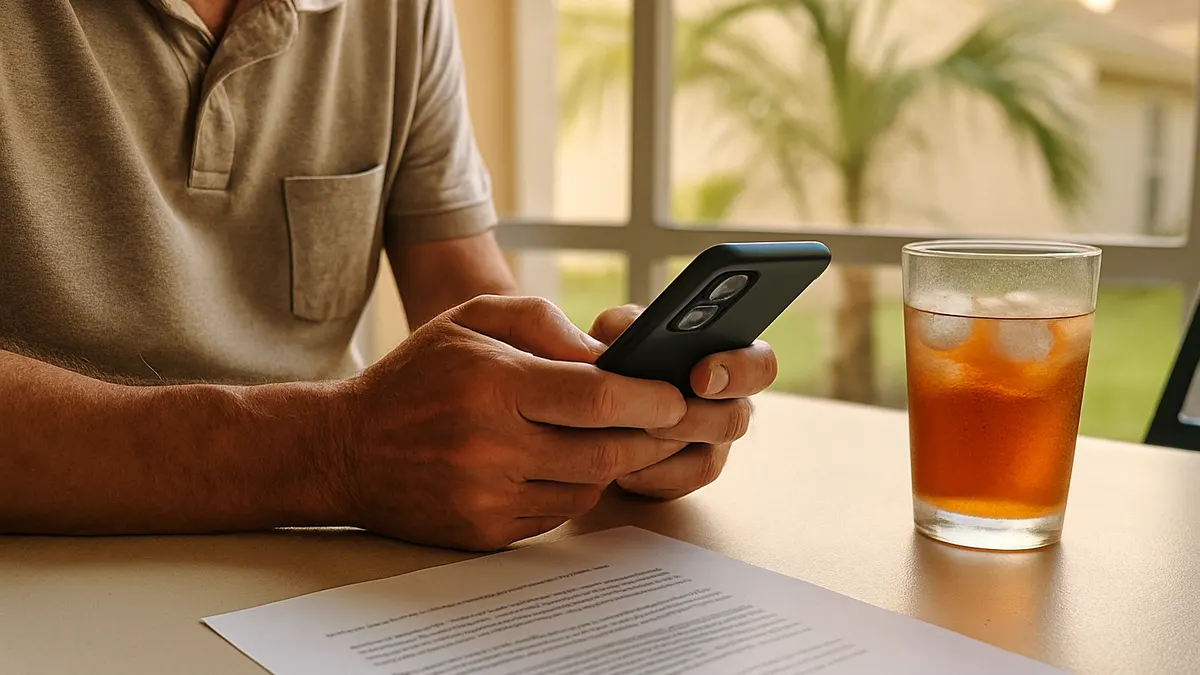
At a Glance: The SSDI Application Process
Before diving into details, here’s a scannable summary of what applying involves:
- Confirm your work history meets SSA’s work-credit requirement
- Collect medical records, treatment history, and a list of medications
- Gather pay stubs, tax returns, and details about your last job
- File online, by phone at 1-800-772-1213, or at a Jacksonville field office
- Complete the Adult Disability Report and Function Report accurately
- Track your claim status and respond quickly to SSA requests
- Prepare for a possible reconsideration or hearing if denied
What Is SSDI and Who Qualifies?
Social Security Disability Insurance is an earned benefit funded through payroll taxes. Unlike need-based programs, SSDI eligibility depends on your work history and medical condition rather than household income or assets. To qualify, the Social Security Administration (SSA) must find that you cannot perform substantial work because of an impairment expected to last at least twelve months or result in death.
Many Jacksonville workers assume SSDI and Supplemental Security Income are interchangeable, but they’re governed by different rules. Understanding the differences between SSI and SSDI programs matters because it affects both your eligibility and the size of your monthly payment, and some applicants qualify for both simultaneously depending on their earnings record.
SSDI Eligibility Requirements Explained
Eligibility rests on two separate tests: a work-history test and a medical test.
Work credits. You generally earn up to four credits per year based on income, and most adults need 40 credits, with 20 earned in the last ten years before becoming disabled. Younger workers may qualify with fewer. Jacksonville’s healthcare, logistics, and service workers usually accumulate enough credits, but it’s worth confirming through your Social Security statement.
Medical and income criteria. Your condition must prevent you from engaging in substantial gainful activity (SGA). For 2026, the SSA applies a strict earnings threshold for SGA: countable monthly earnings above $1,690 (or $2,830 for statutorily blind individuals) will generally result in a denial on non-medical grounds, before your medical evidence is even reviewed. Certain deductions — such as impairment-related work expenses or employer subsidies — can lower your countable earnings below gross pay, so it’s worth confirming your exact figures rather than assuming gross income alone determines the outcome. Your impairment must also appear on or equal the severity of a condition in SSA’s official listings. You can review a full list of qualifying medical conditions to see how closely your diagnosis matches SSA’s criteria, though a condition doesn’t need to be listed by name to qualify if the medical evidence shows comparable limitations.
Step-by-Step: How to Apply for SSDI Benefits in Jacksonville
Step 1: Gather Your Documents
Start collecting paperwork before you file: your Social Security number, birth certificate, W-2 forms or tax returns, a 15-year work history summary, contact details for every doctor and hospital that treated you, and a current medication list. Having this ready shortens the interview and reduces back-and-forth requests later.
Step 2: Choose How You'll Apply
Jacksonville residents can apply three ways. Online applications at ssa.gov are available around the clock and let you save progress and return later. Phone applications go through the national SSA line, where a representative completes the form with you. In-person appointments at a local field office suit applicants who prefer face-to-face guidance, though scheduling ahead is strongly recommended since walk-ins often face long waits.
Step 3: Complete the Disability Report and Function Report
Beyond the basic application, SSA requires an Adult Disability Report detailing your medical conditions, treatment, and work history, plus a Function Report describing how your limitations affect daily activities like cooking, driving, or concentrating. Vague or incomplete answers here are a leading cause of avoidable denials, so take time to describe your worst days honestly rather than minimizing your symptoms.
Step 4: Submit, Confirm, and Track
Once submitted, keep a copy of everything and note your confirmation number. SSA forwards your file to Florida’s Disability Determination Services (DDS), the state agency that makes the medical decision. Check your status online or by phone, and respond immediately to any letters requesting additional records or an exam.
What Happens After You Submit Your Application
After DDS receives your file, a disability examiner and medical consultant review your records against SSA’s criteria. They may request updated records from your Jacksonville-area doctors or schedule a consultative exam if your existing records don’t fully address a specific limitation. Processing times vary by caseload and how quickly evidence arrives, and understanding typical disability claim processing times helps set realistic expectations.
During this waiting period, continue treatment as prescribed, keep every appointment, and update SSA promptly if you move or change doctors. Gaps in treatment are sometimes misread as improvement, even when the real reason is limited access to care. Local data on average SSDI hearing wait times for Jacksonville applicants isn’t widely published, but national trends offer a useful benchmark.
Common Mistakes That Slow Down or Sink Jacksonville SSDI Claims
Certain errors show up again and again in denied applications, and Compassionate Allowances for Duval County applicants with severe conditions can reveal faster approval paths many people never explore:
- Applying too soon, before medical evidence clearly documents the severity of the condition
- Leaving gaps in work history or providing inconsistent income details
- Failing to list every treating doctor, therapist, or hospital
- Missing SSA deadlines for paperwork, exams, or appeals
- Continuing to work above the SGA threshold without realizing it affects eligibility
- Assuming a condition automatically qualifies without supporting documentation
Conditions involving subjective symptoms deserve special attention. For example, chronic pain claims often require more than a diagnosis — they need objective findings, specialist opinions, and a clear record of how pain limits specific work activities. Similarly, applicants with joint or mobility issues should know that arthritis-related disability claims succeed most often when imaging, range-of-motion testing, and functional limitations are all documented together rather than left to a single doctor’s note.
If Your Jacksonville SSDI Claim Is Denied
A denial isn’t the end of the road — it’s often just the first stage. Learning about next steps after a denied application early can prevent you from missing the 60-day window to request reconsideration. Many first-time applications are denied for administrative or evidentiary reasons that a properly supported appeal can fix.
If reconsideration is also denied, the next step is a hearing before an Administrative Law Judge, where many claimants see their best odds once they present updated evidence and, often, expert testimony. Reviewing the process for appealing a Florida denial can help you understand realistic timelines and what evidence carries the most weight.
Why Local Guidance Matters in Duval County
Jacksonville’s mix of hospital systems, military treatment facilities, and private specialists means records often arrive from multiple sources, which can slow a claim if it isn’t organized carefully. Attorneys familiar with Florida’s statewide SSDI process can help applicants avoid common delays and present a stronger file from the start.
Some Jacksonville applicants also qualify for Supplemental Security Income benefits alongside or instead of SSDI, particularly if their work history is limited or their SSDI payment is low. A brief conversation with a disability advocate can clarify which program fits your situation.
If you still have questions, the firm’s answers to frequently asked questions about disability claims cover additional scenarios, including work history gaps and part-time work while applying.
For program details straight from the source, the Social Security Administration’s official disability program page outlines current rules and forms for every state, including Florida.
Get Support Throughout Your Jacksonville SSDI Claim
Applying for SSDI benefits in Jacksonville takes patience, organization, and accurate paperwork, but understanding each stage — from work credits and medical evidence to the DDS review and possible appeal — puts you in a stronger position from day one. Applicants across Florida, Texas, New Jersey, and Pennsylvania face many of the same documentation challenges, which is why having experienced guidance can make a meaningful difference regardless of where you live. Whether you’re just starting your application or preparing to appeal a denial, the team at Chermol & Fishman has spent years helping disabled workers build stronger claims and understand exactly what SSA expects at every stage of the process.
Frequently Asked Questions
How long does it take to get SSDI benefits in Jacksonville, FL?
Initial decisions typically take three to seven months, depending on how quickly medical records are received and whether a consultative exam is needed. Appeals add additional time, sometimes a year or more for a hearing.
Do I need a lawyer to apply for SSDI in Jacksonville?
No, representation isn't required to file an initial application, but many applicants find that legal guidance improves the completeness of their evidence and reduces avoidable denials, especially at the appeals stage.
What medical conditions qualify for SSDI in Florida?
Any condition severe enough to prevent substantial work for at least twelve months may qualify, whether or not it appears on SSA's official listing of impairments, as long as medical evidence documents the resulting limitations.
Can I work part-time while applying for SSDI?
Yes, as long as your earnings stay under the substantial gainful activity threshold ($1,690 per month in 2026 for non-blind individuals). Earning above that amount generally signals to SSA that you're capable of substantial work.
What's the difference between SSDI and SSI in Jacksonville?
SSDI is based on your work history and payroll tax contributions, while SSI is a need-based program with strict income and asset limits. Some applicants qualify for both at once.
Where is the nearest Social Security office to Jacksonville?
Jacksonville has a local Social Security field office that handles in-person appointments, document submissions, and general inquiries; scheduling ahead is recommended to avoid long wait times.
What happens if my SSDI application is denied?
You have 60 days to request reconsideration. If that's also denied, you can request a hearing before an Administrative Law Judge, where many claims are ultimately approved with stronger evidence.
How much can I receive in monthly SSDI benefits?
Your monthly benefit is based on your average lifetime earnings before your disability began, not on the severity of your condition, so amounts vary significantly from one applicant to another.