
We do not request reimbursement of costs
(such as repayment for obtaining medical records)
from veterans nor from people who suffer from multiple sclerosis.
- Call today for a free evaluation
- 1-888-774-7243
Social Security for Viral Myocarditis
A heart infection can change your life quickly. One week you are working, driving the kids to practice, and climbing stairs without a second thought. The next, a short walk leaves you exhausted and your cardiologist is talking about heart failure. If viral myocarditis has left you unable to hold a job, Social Security disability benefits may help you keep your household steady while you recover or learn to live with lasting heart damage.
This guide explains how Social Security views viral myocarditis, which medical evidence matters most, how to apply, and what to do if your claim is denied.
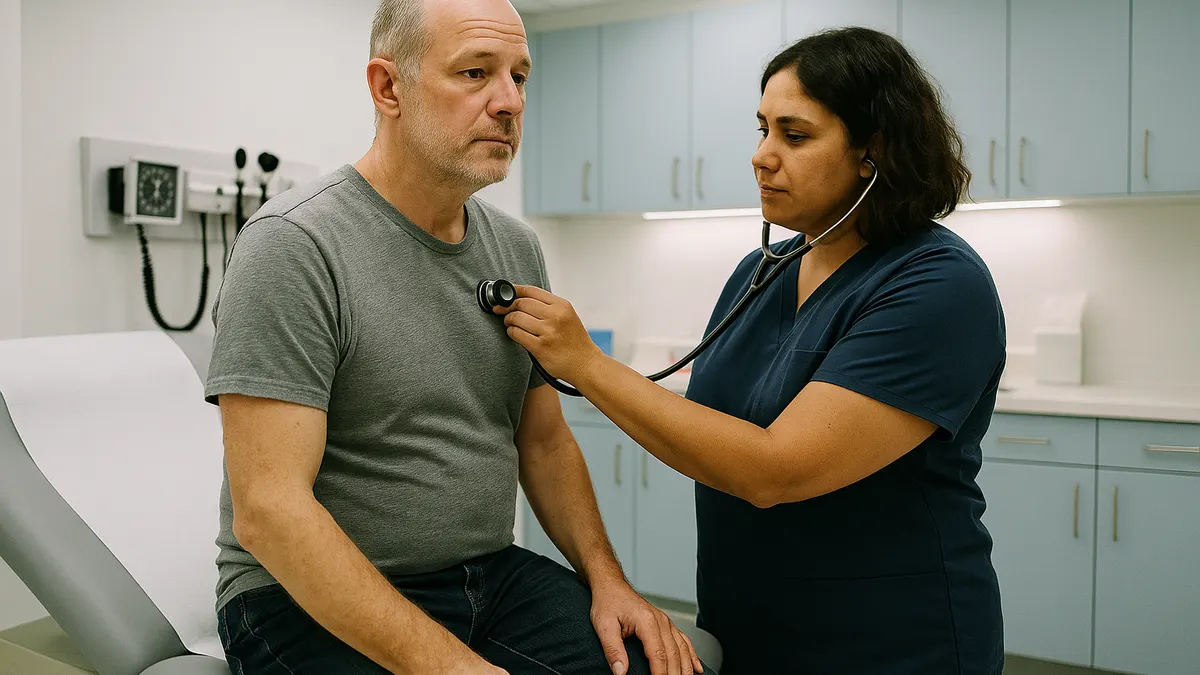
Quick Answer: Can You Get Social Security Disability for Viral Myocarditis?
It is possible. Viral myocarditis is not listed by name in Social Security’s medical guide, but the agency evaluates it under its cardiovascular rules, most often as chronic heart failure or a heart rhythm problem. You may qualify if the inflammation has caused lasting heart damage, the condition is expected to last at least 12 months, and you cannot perform substantial full-time work. Every claim is decided on its own medical evidence.
- Social Security reviews your heart damage and symptoms, not just the diagnosis.
- Echocardiograms, cardiac MRIs, and rhythm tests carry significant weight.
- You can qualify by meeting a medical listing or by proving your limits rule out full-time work.
- Steady treatment records make a major difference.
What Is Viral Myocarditis?
Viral myocarditis is inflammation of the myocardium, the muscular middle layer of the heart wall. It usually begins when a virus, such as coxsackievirus, adenovirus, parvovirus B19, influenza, or the virus that causes COVID-19, triggers an immune response that inflames and weakens the heart muscle. Many people recover fully. Others are left with a heart that no longer pumps as strongly as it should.
Common Symptoms
- Chest pain or pressure
- Shortness of breath during light activity or when lying flat
- Heavy fatigue that does not improve with rest
- Rapid, fluttering, or irregular heartbeat
- Swelling in the legs, ankles, or feet
- Lightheadedness or fainting
How Doctors Diagnose It
Diagnosis often involves blood tests for heart injury markers, an electrocardiogram (ECG), a chest X-ray, an echocardiogram, and a cardiac MRI. In severe or unclear cases, a cardiologist may recommend a heart muscle biopsy. These same tests become the backbone of a disability claim, so keep copies of every result.
How Viral Myocarditis Can Limit Your Ability to Work
Disability law does not ask whether you have a serious diagnosis. It asks what you can still do. Myocarditis can lead to dilated cardiomyopathy, heart failure, and dangerous arrhythmias, and those complications create real work limits:
- Trouble standing, walking, or climbing stairs for long periods
- Breathlessness or chest discomfort when lifting or carrying
- Frequent rest breaks or unpredictable absences
- Dizziness or fainting that makes driving or operating equipment unsafe
- Medical restrictions on strenuous exertion, often lasting months after the illness
Even a desk job can become unmanageable when fatigue, poor stamina, and frequent medical appointments pile up. Social Security looks at whether you can sustain work week after week, not just on your best day.
How Social Security Evaluates Viral Myocarditis
Social Security relies on a medical guide commonly called the Blue Book, and you can read more about how the Blue Book is used to evaluate SSDI claims before you apply. Because myocarditis has no listing of its own, an adjudicator compares your test results with the cardiovascular listings, especially chronic heart failure. The damage often resembles other forms of heart disease that qualify for disability benefits, and the same kinds of evidence apply.
For chronic heart failure, Social Security looks for documented weakness in the heart’s pumping ability together with serious symptoms. One key measure is ejection fraction, the percentage of blood your left ventricle pushes out with each beat. A very low reading during a stable period, combined with symptoms that limit daily activity, can support a finding that you meet a listing. Records showing swelling, breathlessness, and hospital stays tied to congestive heart failure also strengthen a claim. If the inflammation has triggered rhythm problems such as atrial fibrillation, those records should be included as well.
| What Social Security Reviews | Why It Matters |
|---|---|
| Echocardiogram results | Shows how well the heart pumps and whether the chambers are enlarged |
| Cardiac MRI or biopsy | Confirms inflammation, scarring, or lasting muscle damage |
| ECG or rhythm monitoring | Documents arrhythmias that can cause fainting or sudden danger |
| Hospital and ER records | Show how often symptoms become severe |
| Cardiologist’s notes | Describe symptoms, restrictions, and response to treatment |
| Exercise or stress testing | Measures how much activity your heart can safely handle |
If You Do Not Meet a Listing
Many approved claims do not match a listing exactly. In that case, Social Security assesses your residual functional capacity, which is a summary of the most you can do despite your condition. It then considers your age, education, and work history to decide whether any full-time job remains realistic. Applicants over 50 whose careers were physically demanding sometimes have a stronger path under this approach.
How Treatment and Recovery Affect Your Claim
Treatment for myocarditis varies. Some people need only rest and close monitoring, while others take medications such as ACE inhibitors, beta blockers, or diuretics. Severe cases may require an implanted defibrillator or, rarely, a heart transplant. Doctors commonly advise avoiding intense exercise for several months while the heart heals.
Social Security considers whether treatment is helping and whether you follow it. If your heart function improves and your limits ease, benefits may eventually be reviewed. If damage is permanent, your records should say so clearly. Honest, consistent reporting to your doctors protects both your health and your claim.
Do You Meet the Basic Requirements?
Medical proof is only half the picture. For Social Security Disability Insurance, you also need enough work history. Most adults need 40 work credits, with about half earned in the last ten years. Younger workers need fewer, and the rules are explained in SSDI work credit requirements. In general, you must also meet these conditions:
- Your condition is expected to last at least 12 months or result in death.
- You are not earning above the substantial gainful activity limit.
- You have enough work credits for SSDI. If you do not, you may still qualify for Supplemental Security Income (SSI), a separate program based on limited income and resources rather than work history.
SSDI has a five-month waiting period before payments begin, and Medicare coverage usually starts after 24 months of entitlement.
How to Apply for Disability With Viral Myocarditis
- Gather your records. Collect emergency room visits, hospital stays, test results, and medication lists.
- Ask your cardiologist for a detailed statement describing practical limits, such as how long you can stand, walk, or lift.
- List your recent work history, starting with the past five years, including job duties and physical demands. Social Security may ask about earlier work if it is relevant to your claim.
- Submit your application online, by phone, or at a local Social Security office. It helps to review the SSDI application process first so nothing is missed.
- Respond quickly to any request for forms or a consultative exam.
- Keep treating, and track your symptoms in a simple daily log.
Medical Evidence That Strengthens Your Claim
Strong claims tell a consistent story. The medical documentation Social Security expects should show your diagnosis, your treatment, and your ongoing limits. For myocarditis, helpful evidence includes:
- Dated imaging and test reports, including echocardiograms and cardiac MRIs
- Cardiology notes from every visit rather than a single summary letter
- Records of medication side effects such as dizziness, low blood pressure, or fatigue
- Hospitalization and emergency room records
- Written activity restrictions, including no-exercise orders
- Statements from family members or former coworkers who have watched your stamina decline
Gaps in treatment can hurt. If cost or transportation keeps you from care, tell your doctor and document the reason. Otherwise, Social Security may assume your symptoms are milder than you describe.
Common Mistakes to Avoid
- Waiting too long to apply, which delays the start of your benefits
- Relying on a diagnosis alone without describing day-to-day limits
- Skipping follow-up appointments or stopping medication without telling your doctor
- Posting social media activity that appears to contradict your limits
- Giving up after a first denial, which is common; many claimants who appeal are later approved
What If Your Claim Is Denied?
A denial is not the end. You can request reconsideration, and if that fails, ask for a hearing before an administrative law judge. Some denied claims are approved at the hearing stage, particularly when new medical evidence and clear testimony are presented. Outcomes depend on the facts of each case. Learn what to expect at an administrative law judge hearing before your date arrives. The judge may ask about your daily routine, how often you need rest, and what symptoms you face, and a vocational expert may testify about available jobs.
Why Legal Help Can Matter
Heart cases are medically complex. An attorney can request detailed opinions from your cardiologist, identify the listing that fits best, and prepare you to testify. Working with a firm that handles Social Security disability benefits claims every day can help you avoid errors that slow approval. Disability attorneys typically work on a contingency basis, so no attorney’s fee is owed unless you win, and federal law limits the fee. Case costs, such as charges for medical records, may be handled separately, so ask any firm how costs are treated. Chermol & Fishman does not request reimbursement of costs from veterans or from people with multiple sclerosis.
Qualifying for Disability Benefits With Viral Myocarditis
In short, you can receive Social Security disability benefits for viral myocarditis when the illness has caused lasting heart damage that keeps you from working full time for at least 12 months and your medical records prove it. Strong test results, steady treatment, and clear documentation of your daily limits give your claim its best chance. If you are ready to talk through your options, Chermol & Fishman helps people with serious heart conditions pursue the benefits they have earned, and the firm assists clients across Bucks County, Southampton, Feasterville, Richboro, and Montgomery County, Pennsylvania.
Attorney Advertising. This article is for general informational purposes only and is not legal advice. Reading it does not create an attorney-client relationship. Every case is different, and prior results do not guarantee a similar outcome.
Frequently Asked Questions About Social Security for Viral Myocarditis
Is viral myocarditis considered a disability by Social Security?
Yes, it can be, if it causes lasting heart damage that is expected to last at least 12 months and prevents full-time work. Social Security evaluates the condition under its cardiovascular rules, focusing on heart function, symptoms, and how they limit your daily activities.
Can I get SSDI for myocarditis caused by COVID-19?
Possibly. The cause does not change the standard. Social Security looks at the resulting heart damage and your functional limits, whether the inflammation followed COVID-19, influenza, or another virus.
Which medical tests matter most for a myocarditis claim?
Echocardiograms, cardiac MRIs, ECGs, rhythm monitoring, and stress tests carry the most weight. They objectively show how well your heart pumps and whether you have scarring or dangerous rhythm problems.
How long does it take to get approved?
Initial decisions commonly take several months, and appeals can add a year or more. Submitting complete medical records at the start often helps avoid delays.
What if my ejection fraction is above the level in the listing?
You can still qualify. If you do not meet a listing, Social Security evaluates your residual functional capacity, your age, education, and work history to decide whether you can sustain any full-time job.
Can I get benefits if my myocarditis improves?
Possibly, but the condition must last or be expected to last at least 12 months. If your heart recovers and you can work again, benefits may stop after a review, so keep your doctors updated.
Can I work part-time while applying?
Limited work may be allowed, but earnings above the substantial gainful activity limit can lead to a denial. Talk to an attorney before changing your work schedule during a pending claim.
Do I need a lawyer to apply for disability with myocarditis?
No, you are not required to hire a lawyer, but representation can help. An attorney can gather cardiology opinions, organize records, and represent you at a hearing. No attorney can promise a particular result.