
We do not request reimbursement of costs
(such as repayment for obtaining medical records)
from veterans nor from people who suffer from multiple sclerosis.
- Call today for a free evaluation
- 1-888-774-7243
How Inconsistent Medical Records Can Seriously Harm Your SSDI Claim
Your Medical Records Are the Foundation of Your SSDI Claim
Social Security Disability Insurance claims are won or lost on medical evidence. While your testimony and work history can impact your claim, the Social Security Administration relies most heavily on your medical records to determine whether your condition qualifies as a disability.
That’s why inconsistent medical records are so damaging to your SSDI claim.
When the SSA finds contradictions, gaps, or conflicting information in your records, it raises questions about the credibility of your entire claim. And in disability cases, credibility questions almost always work against the applicant.
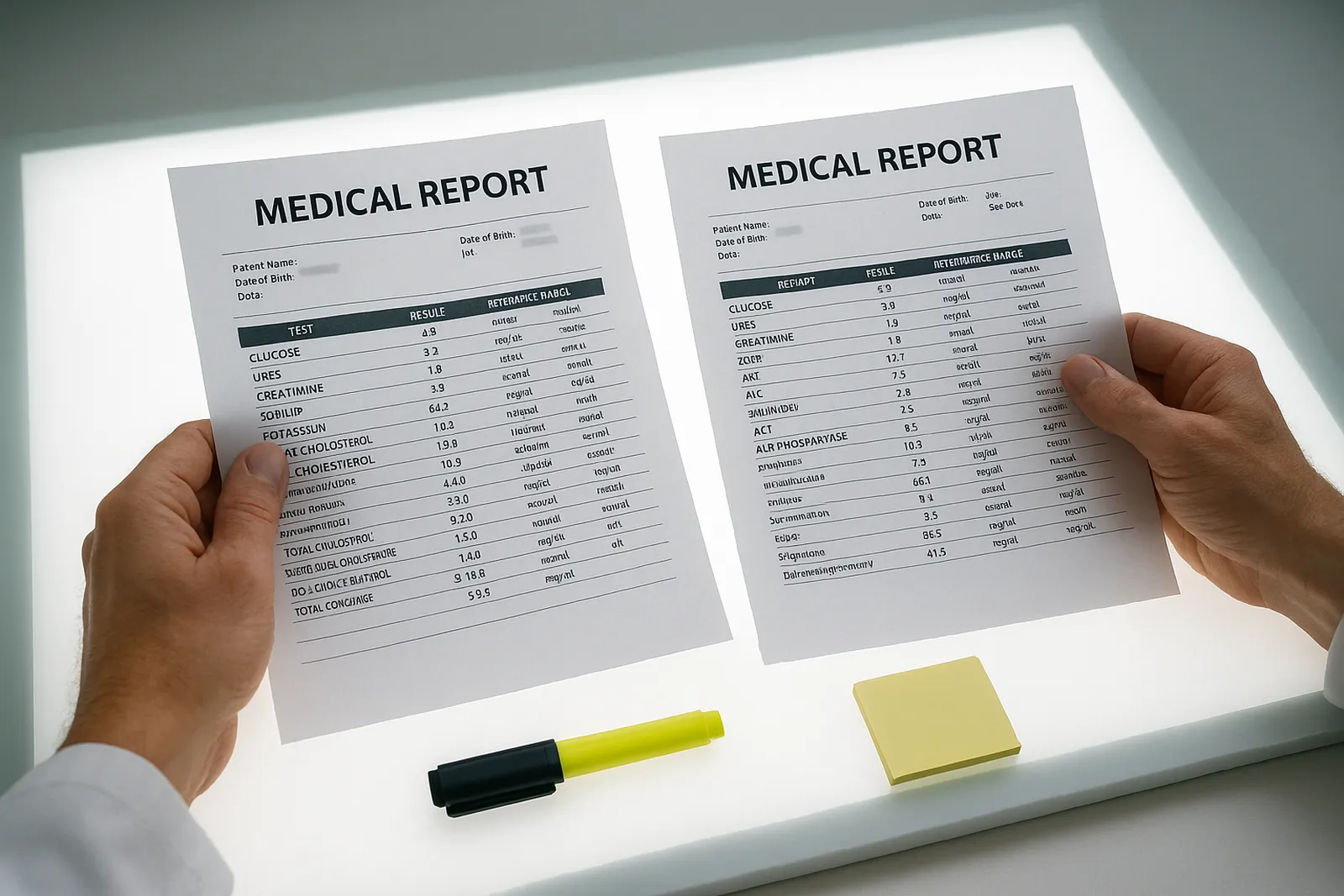
What Counts as an Inconsistency
An inconsistency is any conflict between different parts of your medical evidence — or between your medical evidence and your own statements.
Some inconsistencies are obvious: One doctor’s notes say you can walk for 30 minutes while another’s say you can barely stand. Some are subtler: Your treatment records describe moderate pain, but your function report describes pain so severe you can’t dress yourself.
Other common inconsistencies include:
- Gaps in treatment that suggest your condition isn’t as severe as you claim
- Emergency room visits that contradict what you reported to your primary care doctor
- Imaging results that don’t support the level of limitation your doctors describe
- Mental health records that show improvement while you’re reporting worsening symptoms.
Many inconsistencies aren’t actually contradictions. Instead, they’re the result of how medical records are created. Doctors may write notes quickly, nurses may paraphrase what patients say, and different providers may document the same symptoms using different language.
Unfortunately, the SSA is specifically trained to look for these discrepancies and doesn’t always make those distinctions. In fact, disability examiners and administrative law judges routinely compare your records against your statements, your function reports against your treatment notes, and one doctor’s findings against another’s.
Any inconsistency can become a reason to question your claim, and what reads as an inconsistency on paper can overshadow the reality of your condition.
How Inconsistencies Lead to Denials
When the SSA finds conflicting evidence, it gives more weight to evidence it considers more reliable. That usually means focusing on objective medical evidence including diagnostic imaging, lab results, and clinical examination findings, rather than your subjective reports of symptoms.
If your initial claim is denied and you end up involved in an appeal, the administrative law judge hearing your case should explain how inconsistencies in the record were resolved. Unfortunately, in practice, many judges use them as grounds to doubt your credibility, give less weight to your treating doctors’ opinions, or adopt the conclusions of the SSA’s own consultative examiners.
Once your credibility is questioned, it becomes much harder to win your claim.
Treatment Gaps Are a Particularly Damaging Inconsistency
Gaps in your treatment history are one of the most harmful patterns SSA looks for.
If you claim you’re disabled by chronic pain but your records show you went six months without seeing a doctor, SSA may conclude your condition isn’t as limiting as you describe. If you were prescribed medication but stopped filling the prescription, SSA may question whether you’re making a good-faith effort to follow a treatment plan.
Of course, in the real world, treatment gaps often have explanations that have nothing to do with how severe your condition is. You may have lost health insurance. You may not have been able to afford copays or transportation to appointments. You may have been dealing with depression or anxiety that made it difficult to seek care.
These are all legitimate reasons for treatment gaps, but they need to be documented and explained. Otherwise, SSA may draw its own conclusions that aren’t favorable to your case.
That’s why it’s essential to address any treatment gaps proactively rather than hoping SSA won’t notice. An experienced disability attorney at Chermol & Fishman can help you present these gaps in context and can work to obtain supporting statements from experts that explain the reasons for any interruptions in care.
How to Identify and Address Inconsistencies Before They Become Problems
So, what should you do if inconsistent medical records could affect your SSDI claim?
Obtain your complete medical record before the SSA does
Request records from every provider who treated you, including your primary care doctor, specialists, emergency rooms, urgent care facilities, therapists, and any other clinicians involved in your care.
Review your records thoroughly
Look for anything that contradicts your reported symptoms or limitations.
Talk to your doctors if you find inconsistencies
Ask them to clarify their notes or provide supplemental statements that explain apparent contradictions. A doctor who writes a detailed letter explaining that a notation of ‘mild’ pain was shorthand for a chronic condition that fluctuates in severity can help prevent SSA from using that notation against you.
Most importantly, be consistent and thorough in your own descriptions of your condition. When you complete SSA's function report or adult disability report, your answers should be truthful and should align with what your medical records show. This doesn't mean exaggerating. It means being honest, detailed, and specific about your limitations and making sure your providers document the same reality.
Why Legal Representation Matters for Medical Evidence Issues
An experienced SSDI attorney at Chermol & Fishman will review your entire medical record during case preparation to identify inconsistencies, gaps, or weaknesses that the SSA might use against you.
We analyze our clients’ medical records with the same level of scrutiny that the SSA applies, and this review happens before an appeals hearing so there’s time to address problems before you have to explain things to a judge.
If we see treatment gaps, we’ll work to obtain supplemental medical opinions, request clarifications from treating providers, and prepare you to address the issue in your testimony. The goal is to present the judge with a coherent, well-documented record that maximizes your chances of benefits approval.
Ready to Get Help? If you’re concerned that inconsistencies in your medical records may be hurting your SSDI claim, contact Chermol & Fishman, LLC for a free consultation. Call us at (888) 774-7243 or visit myphiladelphiadisabilitylawyer.com.